Why Your Home’s Indoor Environment Matters More Than You Think
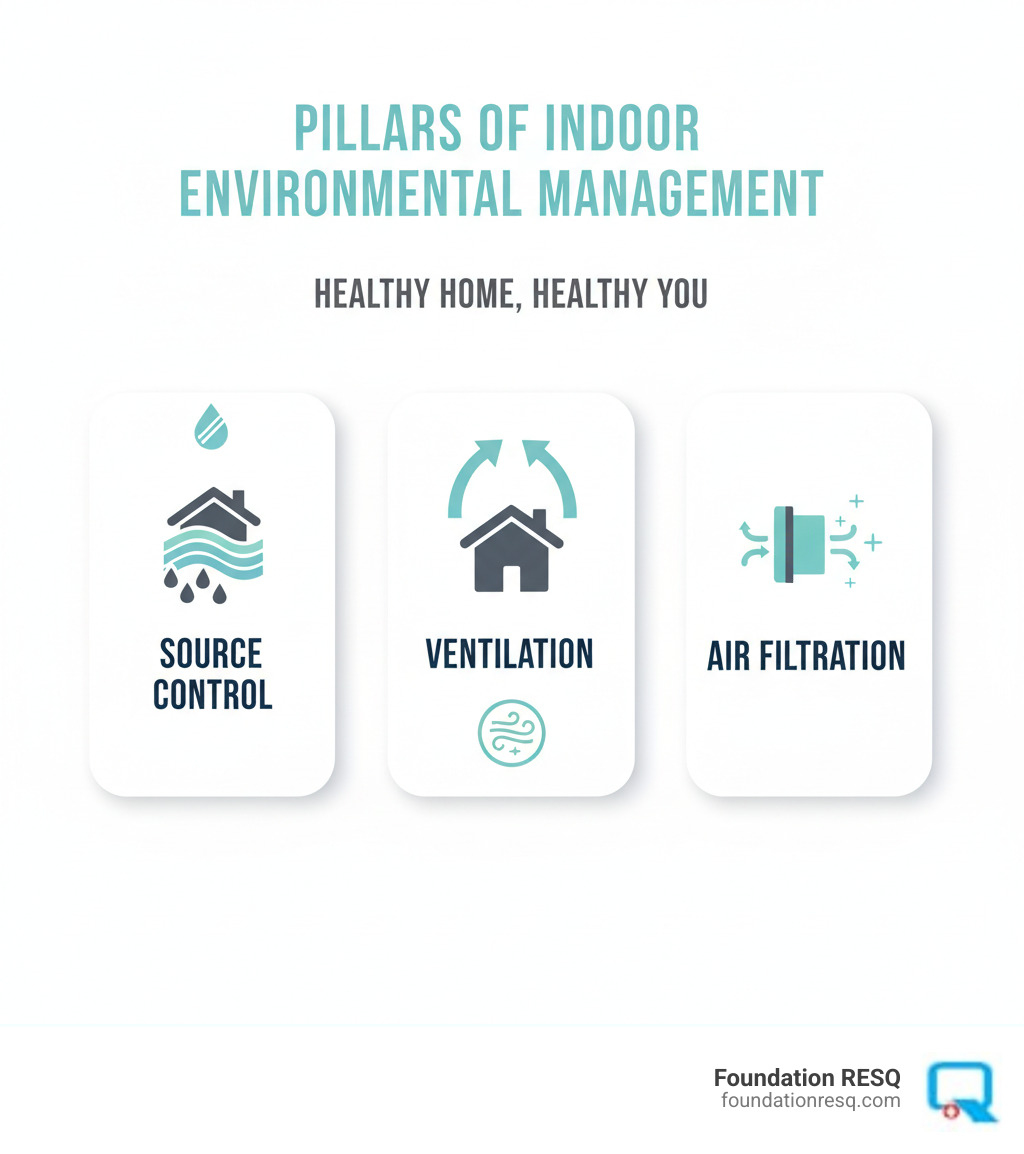
Since people spend about 80-90% of their time indoors, the air inside your home has a massive impact on your health. Indoor environmental management is the practice of controlling the factors that affect your well-being, including air quality, moisture, and temperature. It relies on three core strategies: source control (eliminating pollutants), ventilation (introducing fresh air), and air filtration (cleaning circulating air).
Many homeowners only notice their indoor environment when a problem arises—a musty smell, window condensation, or worsening allergies. These are often late-stage symptoms of issues that have been developing for months.
Indoor Environmental Quality (IEQ) is a broad concept that includes air quality (IAQ), thermal comfort, lighting, and acoustics. For most homeowners, the primary concerns are air quality and moisture, which are deeply connected to a home’s structural health.
A cracked foundation, leaky basement, or damp crawl space isn’t just a structural problem; it’s an invitation for mold, poor air quality, and health issues. As the EPA’s Building Air Quality guidance notes, preventing indoor air quality problems requires much less effort and expense than resolving them after they develop.
This is why effective indoor environmental management begins at the foundation. By controlling moisture and fixing structural issues, you address the root cause of most indoor air quality problems. I’m Kayle Vernon, and I specialize in helping homeowners understand how foundation and moisture issues directly impact home health.
The Pillars of a Healthy Indoor Environment
A healthy home environment depends on several interconnected factors known as Indoor Environmental Quality (IEQ). While most people focus on Indoor Air Quality (IAQ), IEQ also includes thermal comfort (temperature and humidity), lighting, and acoustics (noise). A problem in one area often affects the others.
For example, a damp crawl space from poor foundation drainage increases your home’s humidity, making it feel warmer and creating ideal conditions for mold. The mold then releases spores, degrading your air quality. What began as a moisture issue now impacts both thermal comfort and IAQ. This is why at Foundation RESQ, we take a holistic approach, viewing foundation and moisture problems as threats to your entire indoor environment. You can’t have clean air if moisture is seeping into your home. More info about our approach to home health
Common Indoor Pollutants and Their Sources
To manage your indoor environment, you must know what you’re fighting. Pollutants fall into three main categories.
Biological pollutants are living organisms or their byproducts. Mold is a primary concern in Alabama, Florida, and Georgia, thriving in damp basements and crawl spaces and releasing allergenic spores. Other culprits include bacteria and viruses, microscopic dust mites in bedding and carpets, and pests like rodents and cockroaches that bring in allergens and germs.
Chemical pollutants are gases from everyday products. Volatile Organic Compounds (VOCs) off-gas from paint, cleaners, new furniture, and building materials. Formaldehyde is a common VOC in pressed wood products. Radon, a naturally occurring radioactive gas, can seep through foundation cracks and is a significant health risk. In older homes, asbestos fibers can be released from insulation or flooring. Finally, combustion byproducts like carbon monoxide can come from malfunctioning gas appliances and fireplaces.
Particulate matter includes tiny airborne particles. This category covers common dust (a mix of skin flakes, fibers, and soil), pollen from outdoors, and smoke from tobacco, cooking, or candles.
Understanding these sources is key to effective indoor environmental management. Since many pollutants, especially mold, are linked to moisture, waterproofing your home is a critical first step toward protecting your family’s health. Mold Remediation Services
The Health Implications of Poor IEQ
Since we spend most of our time indoors, poor IEQ can cause symptoms ranging from minor irritation to chronic disease.
Sick Building Syndrome (SBS) describes situations where occupants experience acute symptoms—like headaches, fatigue, or nausea—that appear in a specific building and resolve after leaving, with no identifiable cause. Building-Related Illness (BRI) is more serious, referring to diagnosable illnesses like Legionnaire’s disease or hypersensitivity pneumonitis caused by airborne contaminants in a building.
For many, the most immediate effects are allergies and asthma triggers. Mold spores, dust mites, and pet dander circulating through your HVAC system can provoke severe reactions. Other pollutants like VOCs and formaldehyde can cause respiratory irritation, burning eyes, and coughing. Poor ventilation can lead to high CO2 levels, causing headaches and fatigue.
The long-term risks are even more concerning. Chronic exposure to radon, asbestos, and secondhand smoke is linked to an increased risk of cancer. Radon is the second leading cause of lung cancer in the U.S.
Proactive indoor environmental management is crucial. By addressing root causes like moisture and structural issues, you’re not just improving comfort—you’re making a long-term investment in your family’s health. For more details, the EPA provides comprehensive guidance. EPA guidance on IAQ health effects
A Proactive Approach to Indoor Environmental Management
As the EPA’s Building Air Quality guide states, preventing indoor air quality problems is far easier and cheaper than resolving them later. A small foundation crack today could lead to a massive mold problem and expensive remediation down the road. At Foundation RESQ, we champion proactive indoor environmental management to build a healthy home from the ground up.
Effective management relies on three core strategies: controlling pollutants at the source, ensuring proper ventilation, and maintaining good air filtration. As a homeowner, you are the facility manager of your home, and your maintenance choices directly impact your family’s health.
Strategy 1: Source Control and Moisture Management
The most effective way to improve indoor air quality is to stop pollutants from entering your air in the first place. This is source control. In the Southeast, the biggest source of indoor air quality problems is moisture. Uncontrolled water in basements, crawl spaces, or walls creates a breeding ground for mold, bacteria, and dust mites.
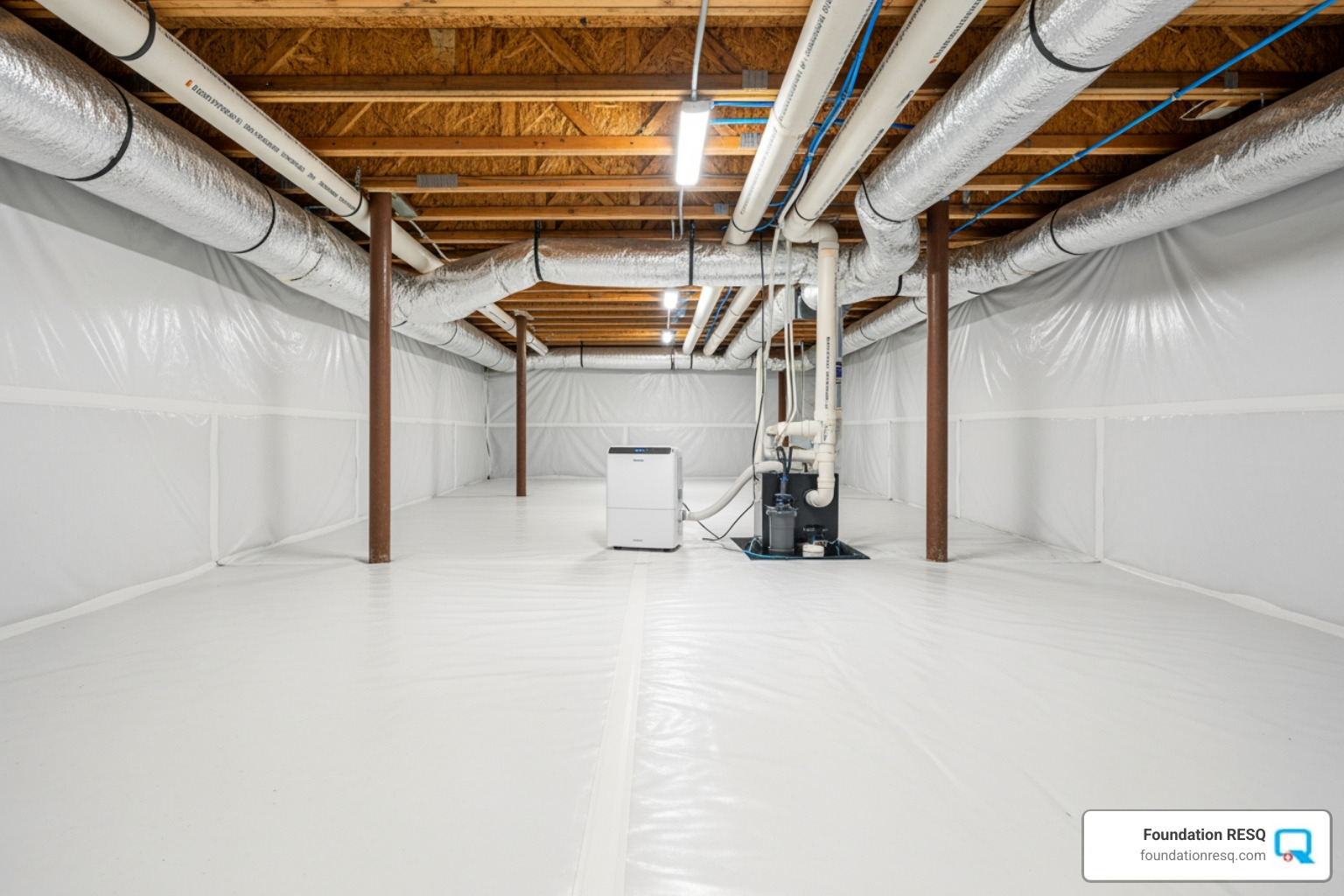
Addressing leaks and water intrusion is the first and most critical step. Our Basement Waterproofing Services and Crawl Space Waterproofing are designed to stop water before it becomes a problem. Even without active leaks, high humidity can cause issues. Our Crawl Space Encapsulation System creates a vapor barrier to block ground moisture from entering your home. For existing dampness, Basement Dehumidification services actively remove moisture, keeping humidity below the 60% threshold recommended by the EPA to prevent mold growth.
If mold is already present, our Mold Remediation Services can safely remove this major source of allergens. Other source control tactics include choosing low-VOC materials for renovations and ensuring proper chemical storage in well-ventilated areas. By mastering source control, you make all other air quality efforts more effective.
Strategy 2: The Critical Role of Ventilation
Once sources are controlled, ventilation is key to diluting any remaining pollutants by exchanging stale indoor air for fresh outdoor air.
Natural ventilation—opening windows and doors—is a simple and effective way to refresh your home when weather and outdoor air quality permit. For more consistent control, mechanical systems are necessary. Spot ventilation, like bathroom and kitchen exhaust fans, removes moisture and contaminants directly at their source.
Whole-house mechanical ventilation is crucial for modern, energy-efficient homes that have less natural air exchange. These systems provide a controlled supply of fresh air. In the Southeast, Energy Recovery Ventilators (ERVs) are a smart choice, as they transfer both heat and humidity between incoming and outgoing air, saving energy while providing fresh air. The U.S. Department of Energy offers excellent information on these systems. Energy Saver: Whole-House Ventilation
While Foundation RESQ doesn’t install these systems, our waterproofing and encapsulation work ensures they operate efficiently. By eliminating moisture sources from below, we allow your ventilation system to focus on maintaining overall freshness rather than fighting a constant battle against dampness.
Strategy 3: HVAC Systems and Air Filtration
Your HVAC system circulates air throughout your home, meaning it can spread contaminants or, if properly maintained, actively clean your air. This makes it a critical component of indoor environmental management.
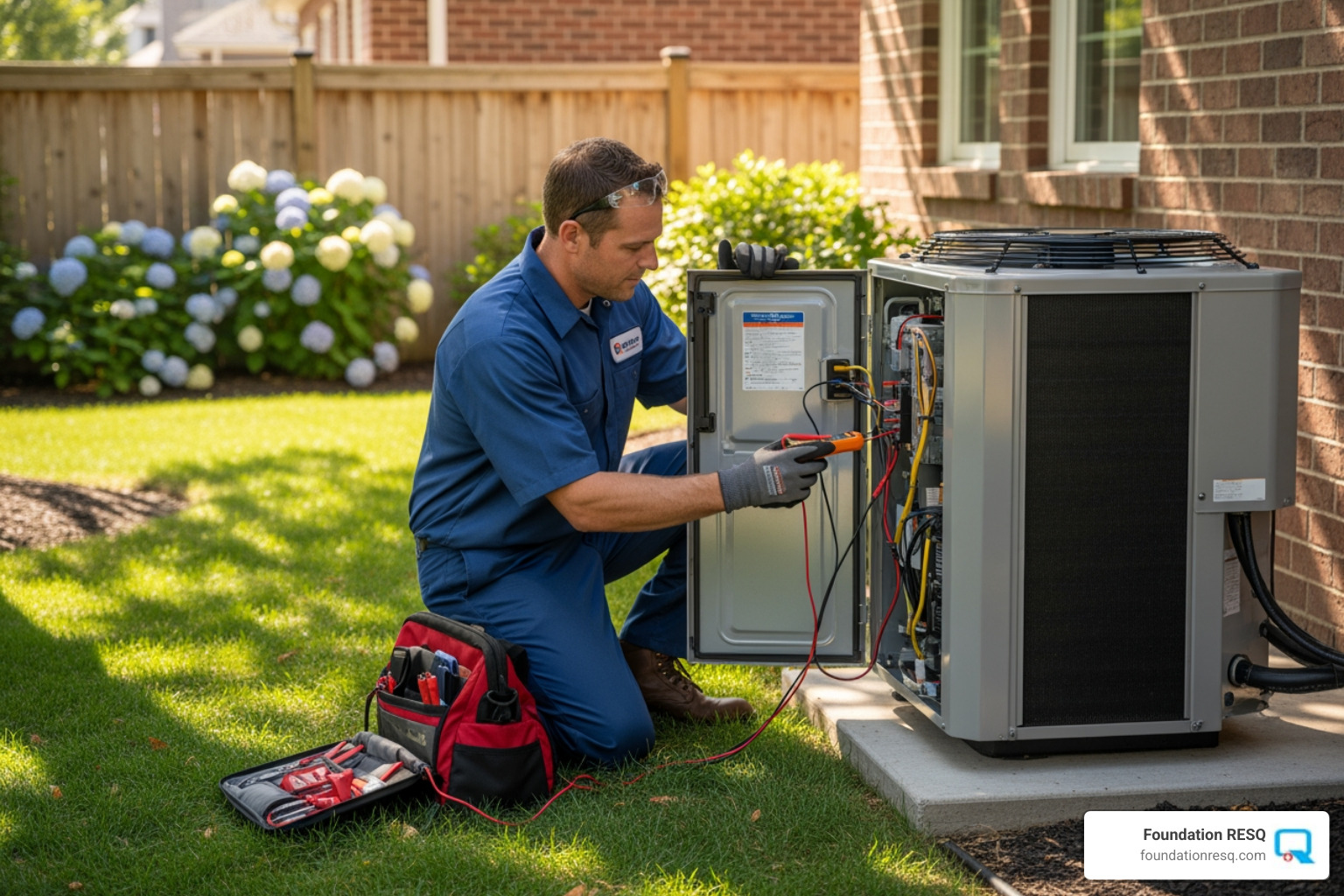
Without regular maintenance, moisture can build up on coils and in ducts, leading to mold growth that gets distributed every time the system runs. Professional inspections and cleanings prevent these issues. One of the most important homeowner tasks is to change your HVAC filters regularly (every 1-3 months). We recommend upgrading to filters with a MERV rating of 8 or higher, as they capture smaller particles like mold spores and pollen, a practice advised by the EPA.
Duct cleaning may be necessary if you’ve had water damage, pest problems, or visible debris in your ducts. A properly designed HVAC system, correctly sized for your home, is also essential for managing both temperature and humidity effectively.
Our work at Foundation RESQ is foundational to a healthy HVAC system. By keeping basements and crawl spaces dry, we protect your ductwork and equipment from moisture and contamination, allowing your system to do its job: keeping your home comfortable and your air clean. For more comprehensive guidance, consult the EPA’s Building Air Quality Guide.
Advanced IEQ: Assessment, Technology, and Custom Solutions
Once you’ve mastered the core strategies of source control, ventilation, and filtration, indoor environmental management can shift from reactive fixes to proactive planning. Every home is unique, and advanced strategies help tailor solutions to specific challenges.
Best Practices for Assessing and Monitoring IEQ
You can’t manage what you don’t measure. A systematic assessment is the first step.
Start with a visual inspection. Look for water stains, peeling paint, and condensation. Use your nose to detect musty odors, especially in basements and crawl spaces. Then, listen to your family. Complaints about headaches or allergies that are worse at home are valuable clues. The EPA emphasizes that this initial walkthrough and occupant feedback are critical for diagnosing IAQ problems.
When your senses aren’t enough, technology can help. CO2 monitors check for adequate ventilation, while humidity and temperature tracking can identify conditions ripe for mold. For hidden issues, air or surface sampling can confirm mold, and VOC testing can detect chemical pollutants. Simple radon test kits are essential for identifying this invisible gas. A full IEQ assessment involves collecting building history, conducting a walkthrough, interviewing occupants, evaluating the HVAC system, and using sensors to gather data to form a targeted solution.
The Future of Indoor Environmental Management: Smart Tech and AI
Smart home technology is revolutionizing indoor environmental management, offering greater control and energy savings.
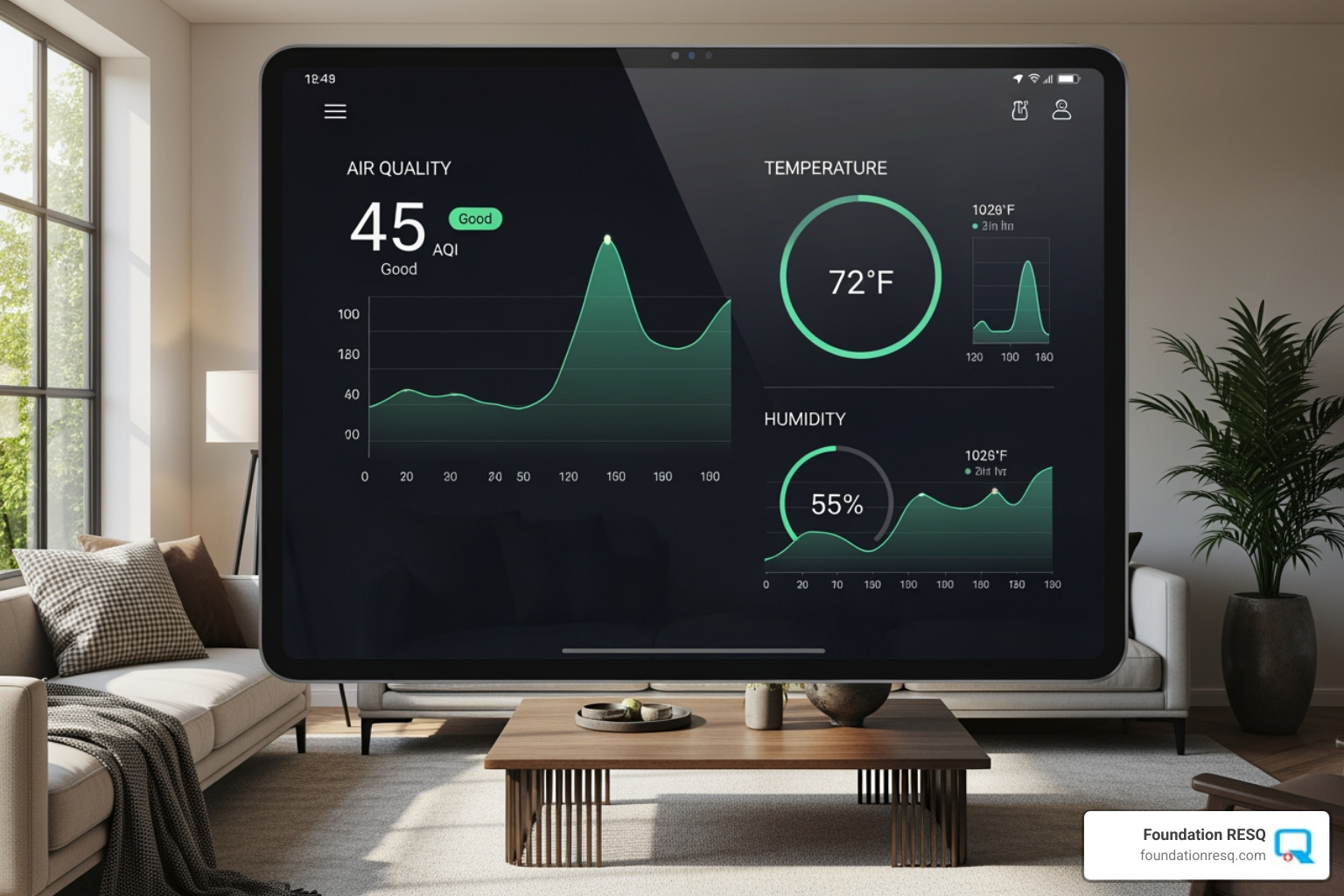
IoT sensors provide real-time data on temperature, humidity, CO2, and VOCs, giving you a clear picture of your home’s environment. This data can be used by smart thermostats and automated ventilation systems to adjust conditions automatically. For example, a system can increase fresh air when CO2 levels rise or reduce outdoor air intake when pollen counts are high.
Artificial intelligence (AI) takes this a step further. As shown in scientific research, AI can learn your home’s patterns and predict future needs, proactively adjusting systems to maintain optimal conditions and improve energy efficiency. Scientific research on smart home IEQ management However, even the smartest tech can’t fix a leaky foundation. Our waterproofing and encapsulation services create the healthy baseline that these advanced systems can then maintain.
Addressing Occupant Concerns and Communication
Technology and expertise are only part of the solution; the human side is just as important. The EPA stresses that open, honest communication is essential for resolving IAQ problems.
Every complaint, from a strange smell to a recurring headache, deserves a prompt and serious response. Ignoring concerns allows small problems to grow and erodes trust. This is why our free inspections at Foundation RESQ are so valuable—they provide a chance to listen to homeowners and provide clear, honest answers.
Educating occupants on why certain actions are important—like using an exhaust fan—turns them into partners in maintaining a healthy home. Transparency builds trust, especially when dealing with issues like mold or foundation damage. People need to understand the problem, the cause, and the solution. Our customer-focused approach is designed to build that trust, ensuring peace of mind. When structural issues are the root cause, our Foundation Repair Services are the first step toward restoring both property integrity and occupant health.
Conclusion
The key takeaway is that indoor environmental management is essential for every homeowner. We spend the vast majority of our lives indoors, and the quality of that environment has a direct impact on our health and well-being.
We’ve covered how to identify pollutants, the importance of moisture control, and the three core strategies of source control, ventilation, and filtration. But the most important lesson is that prevention beats reaction every time. The EPA’s research confirms that it is far less expensive and stressful to prevent indoor air quality problems than to fix them after they’ve taken hold. A musty smell or unexplained headaches are warning signs that need immediate attention.
At Foundation RESQ, we see daily how a healthy building creates a healthy home. It all starts from the ground up. A solid foundation, a dry basement, and an encapsulated crawl space eliminate the root causes of most indoor environmental issues. Our work across Alabama, Florida, and Georgia is focused on these foundational elements, creating the conditions for families to breathe easier and live healthier.
Our commitment to customer-focused service, free inspections, and lasting solutions means we can help you understand what’s happening in your home and how to make it right. Your home should be a sanctuary, not a source of health concerns.
Ready to take the first step toward a healthier home? Take control of your home’s health with our expert mold remediation services