
Appraisers flag structural issues because those defects threaten three things lenders cannot afford to ignore: borrower safety, the property’s marketability as collateral, and the lender’s ability to insure or sell the loan on the secondary market. That’s the short answer. The longer one involves federal guidelines, condition rating scales, and a paper trail that can make or break your closing.
Here’s what a structural flag means for you immediately:
- Reduced appraised value. A property with unresolved structural defects is worth less on paper, which can shrink the loan amount a lender will approve.
- Lender repair conditions or loan hold. The lender may require repairs before funding, issue a conditional “as-repaired” appraisal, or place the loan on hold until documentation of completed work is submitted.
- Safety and insurability concerns. Severe conditions can make a property uninsurable or ineligible for federally backed programs like FHA, VA, or USDA loans entirely.
The sections below walk through exactly what appraisers look for on site, how HUD, FHA, Fannie Mae, and the UAD condition rating system drive those flags, and the specific steps buyers and sellers can take to resolve flagged items and keep the transaction moving.
Key Takeaways
Appraisers flag structural issues because unresolved defects reduce collateral value, threaten borrower safety, and expose lenders to repurchase risk on the secondary market — making documentation and licensed repairs the fastest path to loan clearance.
| Point | Details |
|---|---|
| Why appraisers flag structural issues | Defects threatening safety, soundness, or marketability must be documented under HUD, FHA, and Fannie Mae guidelines. |
| UAD ratings drive loan eligibility | C5 and C6 condition ratings signal serious repair needs; C6 effectively stops financing until corrected. |
| Reinspection adds cost and time | Lender-required reinspection by a qualified professional typically adds a modest fee to the buyer’s costs and several weeks to the timeline. |
| Documentation is the key to clearance | A signed engineer letter, contractor invoice, permit closure, and before-and-after photos are the standard lender package. |
| Foundationresq | Free inspections and lender-ready documentation packages for foundation, crawlspace, waterproofing, and mold issues in North Florida, South Georgia, and Alabama. |
Table of Contents
- Why home appraisals flag structural issues: the appraiser’s on-site checklist
- Common structural defects appraisers routinely flag
- How appraisers record structural issues: UAD ratings, VC forms, and “as-repaired” language
- Why lenders require these flags and how they change your loan outcome
- What to do when an appraisal flags a structural issue
- Typical repair costs and timelines: what to expect
- Appraisal vs. home inspection: understanding the difference
- Pre-appraisal checks that reduce the odds of a surprise flag
- When to bring in a structural engineer or foundation specialist
- A structural flag is not a verdict on your home
- Foundationresq can help you clear lender conditions fast
- Sources
- FAQ
Why home appraisals flag structural issues: the appraiser’s on-site checklist
HUD guidance is explicit: appraisers focus on defects that affect safety, security, and soundness, commonly called the “three S’s.” They are not performing a full home inspection. They are documenting observable conditions that affect marketability and habitability, and they are doing it on behalf of the lender, not the buyer.
On the exterior, appraisers scan the foundation for visible cracks, displacement, or settlement. They look at the roofline for sagging, missing shingles, or signs of active leaks. Gutters, grading, and drainage patterns get a look because water pooling against a foundation is a red flag even when the foundation itself looks intact. Siding gaps, exposed wood, and evidence of pest damage round out the exterior walk.
Inside, the focus shifts to floors (sagging, soft spots, or pronounced slope), ceilings (staining from water intrusion), crawlspace access points, and any visible rot or mold. Exposed wiring and plumbing leaks fall under safety, so those get noted too.
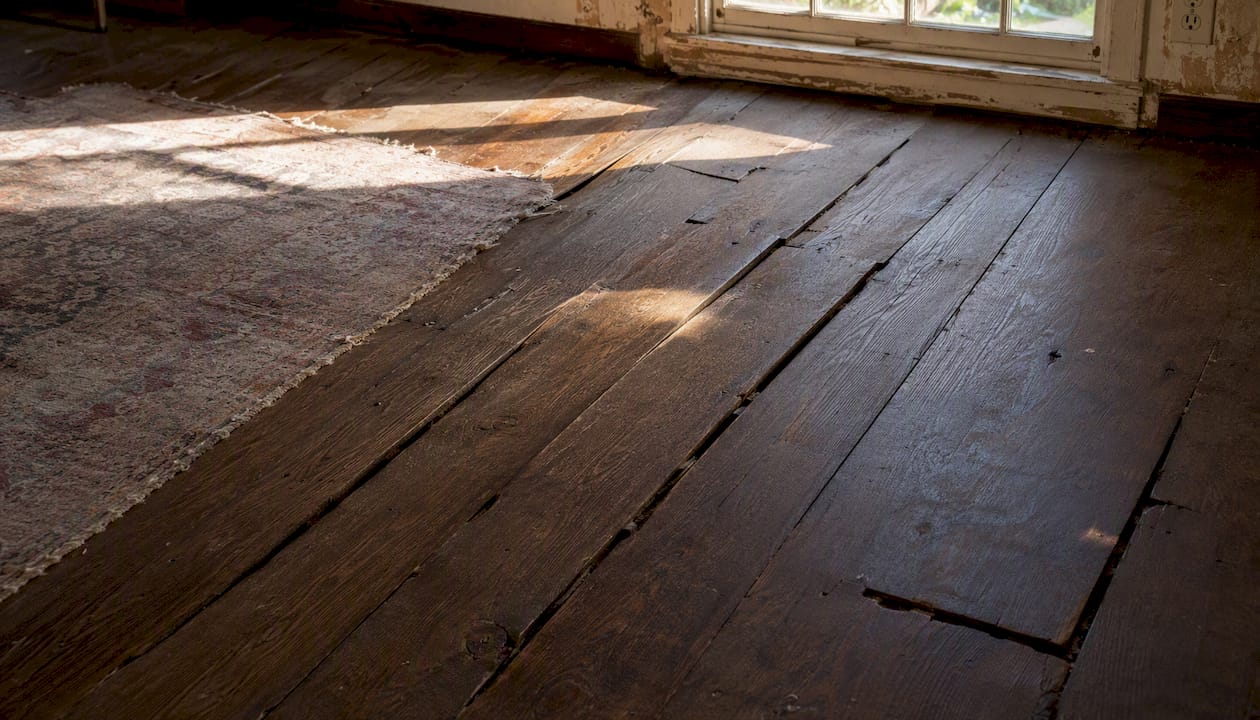
The critical boundary: appraisers do not open walls, probe beneath slabs, or run invasive tests. They work from what is “readily observable.” When visible evidence suggests a deeper problem — a crack pattern that implies active settlement, for example — the appraiser will call for a specialist report rather than speculate. That referral itself becomes a lender condition.
Pro Tip: If a prior repair was made to a structural element, have dated contractor invoices, before-and-after photos, and any permit closure documents ready before the appraiser arrives. Clear, organized documentation can prevent a flag from becoming a condition, because the appraiser can note the repair as completed rather than open.
Common structural defects appraisers routinely flag
FHA appraisers are particularly likely to call out repairs for roof issues, foundation problems, lead-based paint, serious plumbing or electrical hazards, and rot or termite damage. Fannie Mae similarly requires appraisers to identify structural defects that jeopardize marketability, insurability, and value. Below are the defects that show up most often in appraisal reports and why each one matters to lenders.
-
Foundation settlement and cracks. Diagonal or stair-step cracks, horizontal cracking in block walls, or visible displacement at corners signal active movement. Appraisal language often reads: “Evidence of foundation settlement noted at northeast corner; appraiser recommends engineer evaluation and repairs prior to funding.” Lenders treat this as a hard stop until an engineer clears it. You can read more about why foundation issues fail property inspections and what buyers need to know.
-
Active roof leaks or failing roofing. Missing shingles, visible daylight through decking, or water staining on ceilings directly below the roof deck are among the most common FHA repair triggers. An active leak is never deferred.
-
Water intrusion and mold. Standing water in a crawlspace, efflorescence on basement walls, or visible mold growth all get flagged. Mold is both a health hazard and a marketability issue, which puts it squarely in the three S’s.
-
Wood rot and termite damage. Soft or spongy wood at sill plates, rim joists, or structural posts indicates compromised load-bearing capacity. Termite damage compounds this because it often hides behind intact paint.
-
Sagging or uneven floors. A pronounced slope or soft spot in a floor suggests a failing beam, post, or joist below. Appraisers note this as a structural concern even when the cause is not yet confirmed.
-
Inadequate crawlspace ventilation and drainage. A damp, unvented crawlspace accelerates wood rot and mold growth. Lenders care because the damage compounds silently and reduces the property’s long-term value as collateral.
-
Major unpermitted additions or poor structural connections. A room addition built without permits and without proper structural connections to the main frame is a liability. Lenders cannot verify code compliance, which makes the addition a marketability problem.
How appraisers record structural issues: UAD ratings, VC forms, and “as-repaired” language
Appraisers use two primary tools to communicate structural conditions to lenders: the Uniform Appraisal Dataset (UAD) condition ratings and the Valuation Conditions (VC) checklist. Together, these create the paper trail underwriters rely on.
UAD condition ratings (C1–C6)
The UAD scale runs from C1 (new or nearly new, no deferred maintenance) to C6. Under UAD standards, C5 signals significant repair needs that often must be resolved before funding. C6 is effectively uninhabitable — active roof leaks, failing foundations, and missing major components land a property here — and a C6 rating will almost certainly stop financing until the condition is corrected. C5 and C6 properties are heavily photo-documented by appraisers, and those photos become de facto evidence for the underwriter reviewing the file.
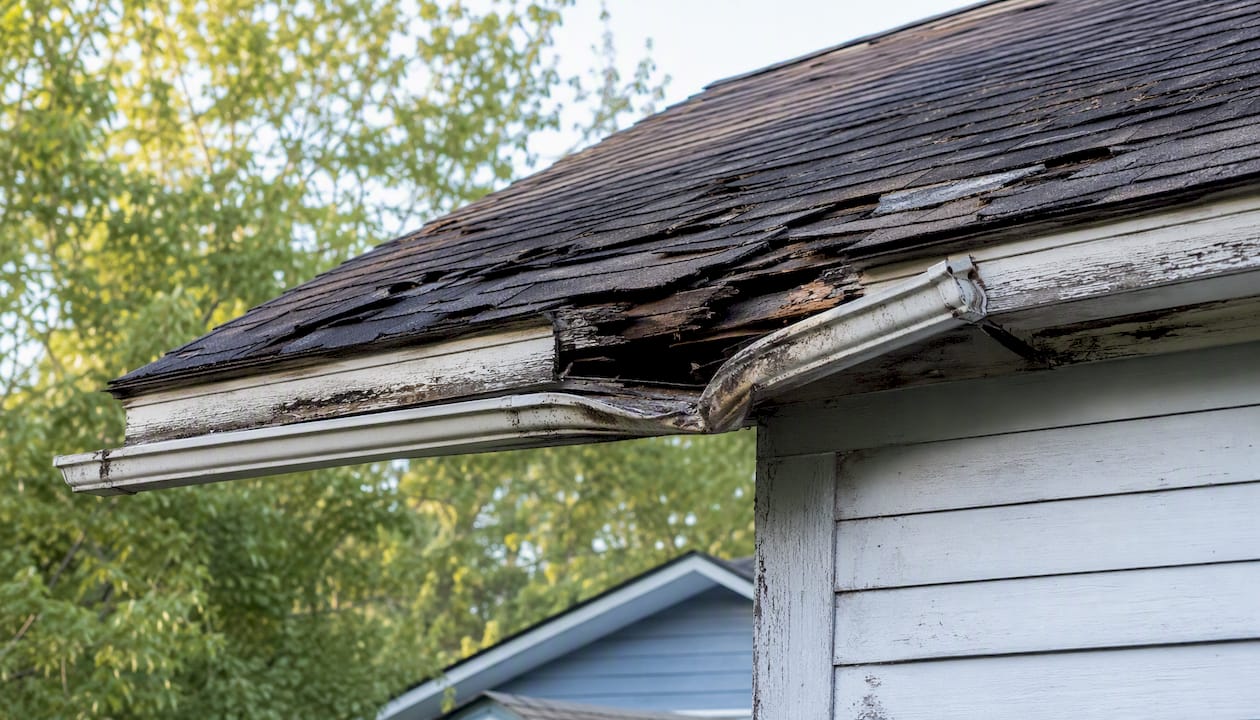
A C3 or C4 rating typically reflects deferred maintenance or cosmetic issues that do not affect safety or soundness. Those ratings rarely trigger lender repair conditions on their own.
The VC checklist
HUD’s VC protocol requires appraisers to mark “YES” on the VC form for any deficiency affecting safety, soundness, or marketability, and to condition the appraisal “as-repaired” when correction is feasible. The fields most likely to force lender action include:
- VC-7 Structural Conditions — covers framing, load-bearing walls, and visible structural compromise
- VC-8 Foundation — cracks, settlement, displacement, or moisture intrusion at the foundation level
- VC-9 Roof — active leaks, failing decking, or inadequate remaining life
- VC-5 Pest — evidence of active infestation or structural damage from prior infestation
- VC-4 Septic/Well Issues — proximity, condition, or code compliance concerns
When a VC field is marked, the appraiser writes a conditional statement in the report. A typical example: “This appraisal is made ‘subject to’ completion of foundation repairs per engineer’s scope dated [date]. Value reported assumes repairs are completed in a workmanlike manner.”
To clear that condition, the lender will ask for a signed engineer letter confirming repairs restore structural soundness, a contractor invoice showing completed work, and before-and-after photos. Freddie Mac’s Completion Report guidance specifies that the itemized list of repairs and any new observed items must be recorded with photos and descriptions — not just a verbal confirmation that work was done.
Why lenders require these flags and how they change your loan outcome
The core reason is risk management. Lenders who sell loans to the secondary market — Fannie Mae, Freddie Mac — face repurchase risk if a loan is later found to be secured by a property with unaddressed structural damage. That financial exposure is why Fannie Mae requires documentation of fixes, including photographs and professional details, to maintain loan eligibility. The appraiser’s photos and notes are not just a formality; they become the underwriter’s evidence file.
For buyers and sellers, a structural flag produces one of these outcomes:
- Reduced appraised value. The property is valued in its current condition, which may be below the purchase price. The buyer’s loan amount is capped at the lower figure.
- Conditional “as-repaired” appraisal. The appraiser assigns a value contingent on repairs being completed. The loan cannot fund until the lender receives clearance documentation.
- Escrow holdback or repair escrow. In some conventional loan scenarios, the lender may allow closing with funds held in escrow pending repair completion. FHA and VA programs are generally stricter about this.
- Purchase price renegotiation. The buyer may use the appraisal flag to negotiate a lower price or a seller credit to cover repair costs.
- Outright loan denial. A C6-rated property or one with conditions the seller cannot or will not address may be rejected for the program entirely.
FHA Minimum Property Standards, detailed in HUD Handbook 4000.1, set the floor for what is acceptable for HUD-insured financing. When a property fails those standards and the seller declines to repair, the buyer’s FHA loan simply cannot proceed on that property.
What to do when an appraisal flags a structural issue
Act quickly and document everything. The lender needs a clear paper trail showing the defect was identified, assessed by a qualified professional, repaired by a licensed contractor, and verified as complete. Here is the sequence:
- Order a specialist inspection or engineer report. A licensed structural engineer or qualified home inspector provides the diagnosis the lender needs. Do not rely on a general contractor’s verbal assessment alone.
- Get a written scope and cost estimate. The scope must describe the defect, the proposed repair method, and the expected outcome. Vague estimates (“patch the crack”) will not satisfy underwriters.
- Decide who pays and handles repairs. Negotiate with the seller if you are the buyer. In some cases, the seller handles repairs before closing; in others, a price reduction funds buyer-managed repairs after closing (subject to program rules).
- Complete repairs with licensed contractors. Unlicensed work creates a new problem: the lender cannot verify compliance, and the appraiser may note the repair as inadequate on reinspection.
- Obtain signed clearance and submit to the lender. This means a signed engineer letter stating repairs restore structural soundness, a contractor invoice, permit closure documentation, and before-and-after photos.
- Schedule reinspection. Lenders require a reinspection by a qualified professional after repairs, and that reinspection typically adds a modest fee to the buyer’s costs. No lender will clear to close on a repair condition without that verification.
The document package lenders typically require:
- Signed engineer evaluation with diagnosis, repair scope, and photos
- Licensed contractor invoice showing completed work
- Permit closure or final inspection sign-off from the local building department
- Before-and-after photos (timestamped)
- Reinspection completion form or appraiser reinspection letter
When hiring a contractor or engineer, ask directly: “Will your report include an explicit statement that the repair restores structural soundness?” If they hesitate, find someone who will put that in writing. Also confirm their license and insurance before work begins.
Typical repair costs and timelines: what to expect
Costs and timelines for structural repairs vary widely by severity, region, and soil conditions, according to industry estimates. The figures below are broad industry estimates; get local bids before making financial decisions.
Beyond the repair itself, budget for the process around it:
- Specialist inspection: $300–$700 for a structural engineer report
- Permitting: varies by jurisdiction; allow 1–4 weeks for permit issuance in most markets
- Repair completion: see table above
- Reinspection: $100–$200, per LegalClarity’s reporting on FHA and VA appraisal requirements
- Total timeline from flag to clearance: 3–8 weeks for most moderate repairs; longer for major stabilization or when permitting is slow
Pro Tip: Temporary fixes — patching a crack with hydraulic cement, for example — rarely satisfy lenders when the underlying cause is active settlement or hydrostatic pressure. Lenders want permanent repairs backed by an engineer’s sign-off. If the lender specifies reinspection as the clearance method, get the engineer to sign the scope before work begins so the reinspection report can reference it directly.
Appraisal vs. home inspection: understanding the difference
An appraisal estimates market value and documents major safety and structural defects that affect marketability. A home inspection is a comprehensive condition survey conducted for the buyer’s benefit. They serve different masters and produce different deliverables.
| Home Appraisal | Home Inspection | |
|---|---|---|
| Primary role | Estimate market value for the lender | Assess overall condition for the buyer |
| Scope | Readily observable defects affecting safety, soundness, marketability | Comprehensive systems check (HVAC, plumbing, electrical, structure, roof) |
| Invasive testing | No | Limited (thermal imaging, moisture meters at inspector’s discretion) |
| Deliverable | Appraisal report with condition rating and VC flags | Inspection report with itemized deficiencies |
| Who hires | Lender (buyer pays the fee) | Buyer |
| When to act | After purchase agreement; lender orders it | Before or shortly after purchase agreement |
HUD guidance is clear that appraisals are not full inspections: appraisers focus only on issues that currently threaten the three S’s. A worn water heater or aging HVAC system may not appear in an appraisal report at all, even though a home inspector would flag both.
Pro Tip: Order an independent home inspection before the appraisal whenever possible. If the inspector finds a foundation crack or active roof leak, you can get contractor bids and begin repairs — or at least have documentation in hand — before the appraiser arrives. An appraiser who sees a repair already underway with a licensed contractor’s scope on file is far more likely to note it as “in progress” than to write a hard condition.
Pre-appraisal checks that reduce the odds of a surprise flag
Proactive checks and organized documentation can reduce flagged items and shorten resolution time if a flag does appear. Work through this list before the appraiser visits:
- Clear gutters and downspouts. Blocked drainage causes water to pool against the foundation, which appraisers read as a drainage deficiency.
- Fix visible roof leaks and replace missing shingles. Even minor visible damage signals deferred maintenance and invites a closer look.
- Verify crawlspace access and venting. The appraiser needs to observe the crawlspace. Blocked vents or standing water will be noted immediately.
- Remove debris from crawlspaces and basements. Stored materials against foundation walls hide moisture damage and make inspection harder.
- Secure permits and close out any open permits. An open permit on a prior repair signals unpermitted or incomplete work to the appraiser and the lender.
- Compile contractor invoices and photos of prior repairs. Dated documentation of completed work can prevent a re-flag of an issue that was already resolved.
- Get a pre-listing inspection if you are selling. A pre-listing inspection gives you time to address structural concerns before the buyer’s appraiser arrives. Use the early foundation issue checklist to spot problems before they become appraisal conditions.
Pro Tip: Assemble a repair documentation folder — physical or digital — with dates, photos, contractor license numbers, and permit records for every structural repair made in the past five years. Hand it to the appraiser at the start of the visit. Appraisers appreciate organized sellers, and that folder can turn a potential flag into a footnote.
When to bring in a structural engineer or foundation specialist
Call a licensed structural engineer or foundation specialist when there is obvious settlement, active movement, major cracking, or any condition that threatens habitability. A general contractor’s opinion is not the same as an engineer’s signed evaluation, and lenders know the difference.
Red-flag symptoms that warrant an engineer, not just a contractor:
- Large horizontal cracks in a concrete block or poured foundation wall
- Stair-step cracking in brick or masonry
- Doors and windows that are visibly out of square or that stick without an obvious cause
- A pronounced floor slope (more than 1 inch over 10 feet is a common rule of thumb among engineers)
- Active water intrusion that appears to be undermining footings or eroding soil beneath the slab
When you hire an engineer, request these specific deliverables:
- A signed evaluation letter with a clear diagnosis and recommended repair method
- Stamped structural drawings if the repair involves load-bearing elements (most lenders require stamped plans for major work)
- A contractor scope and itemized invoice that references the engineer’s recommendations
- Documentation of permits pulled and final inspections passed
Foundationresq offers free on-site inspections and produces documentation packages that align with lender requirements, including photo documentation and engineer coordination for foundation repair, crawlspace waterproofing, and mold remediation. For homeowners in North Florida, South Georgia, and Alabama navigating an appraisal flag, that kind of lender-ready documentation can be the difference between a delayed closing and a clean one. The foundation repair permit process guide is also worth reviewing before you begin any permitted structural work.
A structural flag is not a verdict on your home
The conventional wisdom treats an appraisal flag as a near-catastrophe. Sellers panic, buyers threaten to walk, and everyone assumes the deal is dead. That reaction is almost always premature.
Most structural flags are resolvable. Foundation cracks get stabilized. Crawlspaces get encapsulated. Roofs get replaced. The lender’s repair conditions exist because the system is designed to protect both the borrower and the collateral — not because the appraiser found something uniquely wrong with your property. Flags appear on a significant share of transactions involving older homes, and the majority of those transactions close after repairs are completed and documented.
What actually derails deals is not the flag itself but the response to it: sellers who refuse to repair or negotiate, buyers who walk without exploring options, and parties on both sides who don’t understand that a “subject to” appraisal is an actionable checklist, not a rejection letter. Treat it like a to-do list with a deadline. Get the engineer report, get the scope, get the work done by a licensed contractor, and submit the documentation package the lender asks for. The process is predictable once you know the steps.
One thing worth saying plainly: lender requirements are driven by secondary-market standards and borrower protection rules, not by any judgment about the home’s character or the seller’s care for it. A 1960s ranch with a settling corner pier is not a bad house. It’s a house that needs a specific repair documented in a specific way.
Foundationresq can help you clear lender conditions fast
When a structural flag threatens your closing timeline, the most expensive thing you can do is wait. Foundationresq provides free on-site inspections for homeowners and buyers in North Florida, South Georgia, and Alabama, and produces lender-ready documentation packages that include photo evidence, repair scopes, and engineer coordination — exactly what underwriters ask for.

The inspection is free. The documentation package covers the scope, photos, and cost estimate your lender needs to clear a repair condition. Foundationresq also offers financing options for homeowners who need to complete repairs before closing but are managing tight timelines and budgets. Services include foundation repair, crawlspace waterproofing and encapsulation, basement waterproofing, mold remediation, and concrete leveling. Schedule your free inspection at Foundationresq and get the documentation your lender is waiting for.
Sources
- Controlling For Collateral Defects | Fannie Mae
- HUD Handbook 4150.2/4150.1 excerpts (HUD guidance)
- Appendix F: Completion Report reference guide | Freddie Mac
- FHA and VA Appraisal Requirements: Minimum Property Standards | LegalClarity
- HUD archives: HOC Reference Guide – Repair Conditions
For jurisdiction-specific code questions, contact your local building department directly — permit requirements and inspection sign-off procedures vary by county and municipality.
This article is general information, not a substitute for advice from a qualified financial advisor. Consult a qualified financial professional about your own circumstances before acting on anything here.
FAQ
Do appraisers look at structural issues?
Yes. Appraisers are required to document readily observable defects that affect safety, soundness, or marketability — the three S’s — under HUD guidance and Fannie Mae standards. They do not perform invasive testing, but visible foundation cracks, roof damage, water intrusion, and similar conditions will be noted and photographed.
What are the biggest red flags in a home appraisal?
Foundation settlement or cracking, active roof leaks, visible mold or water intrusion, wood rot, termite damage, and sagging floors are among the most common appraisal red flags. FHA appraisers are particularly likely to require repairs for roof issues, foundation problems, and pest damage as part of minimum property standards.
What negatively affects a home appraisal?
Unresolved structural defects, deferred maintenance, water damage, mold, unpermitted additions, and poor drainage all reduce appraised value. A UAD condition rating of C5 or C6 signals serious repair needs and can directly limit loan eligibility until the issues are corrected.
What happens if an appraisal flags a structural issue on an FHA loan?
The appraiser conditions the appraisal “as-repaired,” and the lender cannot fund the loan until repairs are completed and verified. HUD Handbook 4000.1 sets the minimum property standards that must be met; if the seller won’t repair, the FHA loan cannot proceed on that property. Clearance requires a signed professional report, contractor invoice, and reinspection — which typically adds $100–$200 in fees.
Can a structural issue kill a home sale?
It can, but it usually doesn’t have to. Most flagged structural issues are resolvable with licensed repairs and proper documentation. Treating the appraisal’s repair conditions as an actionable checklist — getting an engineer report, completing permitted repairs, and submitting a full documentation package — is the standard path to closing. Foundationresq’s free inspection and lender-ready documentation package is designed specifically for this situation.