
A real estate structural contingency (also called an inspection contingency) is a clause in your purchase contract that gives you the right to terminate the deal or renegotiate terms if a home inspection or structural engineer’s evaluation reveals significant defects — without losing your earnest money. Before you move forward, do three things right now:
- Hire a licensed home inspector within your contingency window, and escalate to a structural engineer if the inspector flags foundation, framing, or load-bearing concerns.
- Confirm your deadline and removal method — check whether your contract uses active removal (you must sign to release the contingency) or passive removal (it expires automatically if you take no action).
- Send any required notices in writing to the seller or their agent before the deadline, and keep copies. Missing this step can cost you your earnest money even when the inspection reveals serious problems.
Key Takeaways
A structural contingency is your most powerful contract protection — use it with a clear clause, the right professionals, and a firm deadline in mind.
| Point | Details |
|---|---|
| Define the clause clearly | Specify “major defect,” repair-cost threshold, inspector qualifications, and notice method in writing. |
| Know your removal method | Active removal requires your signature; passive removal expires automatically — missing the deadline costs you your earnest money. |
| Hire the right professional | Start with a licensed home inspector; escalate to a structural engineer when foundation, framing, or load-bearing issues appear. |
| Don’t waive without a strategy | Waiving exposes you to repair costs that can far exceed the inspection fee; use pre-offer inspections or a limited-scope contingency instead. |
| Foundationresq for local repairs | Foundationresq offers free inspections and written repair estimates in North Florida, South Georgia, and Alabama for buyers who need structural repair bids during the contingency period. |
Table of Contents
- What is a real estate structural contingency and why does it matter?
- How the contingency process works, step by step
- What do home inspectors and structural engineers actually check?
- What are your options after a problematic inspection?
- How should you write a clear structural contingency clause?
- Should you waive the structural contingency in a competitive market?
- When do you need a structural engineer instead of a home inspector?
- What happens when foundation or crawl-space problems are confirmed?
- The contingency is your best tool; use it deliberately
- Foundationresq can help when the inspection finds structural problems
- Sources
- FAQ
What is a real estate structural contingency and why does it matter?
The structural contingency is your financial safety net. Without it, you buy the home as-is — meaning any foundation crack, rotting floor joist, or bowing basement wall becomes your problem the moment you close. With it, you have a defined window to inspect, evaluate, and decide.
Three common contingencies appear in most purchase contracts, and they protect different risks:
- Inspection (structural) contingency: Protects against physical defects in the property. Lets you terminate or renegotiate if the inspection reveals major problems.
- Appraisal contingency: Protects against overpaying. Lets you exit if the home appraises below the purchase price.
- Financing contingency: Protects against loan failure. Lets you exit if your mortgage falls through.
Zillow’s data shows that a majority of mortgage buyers included an inspection contingency in their purchase contracts — making it the most commonly used buyer protection in residential real estate. That number reflects a straightforward reality: structural repairs are expensive, and buyers who skip the contingency absorb that risk entirely.
Waiving it to win a bidding war can mean inheriting a foundation problem that costs tens of thousands of dollars to fix. The inspection fee is a small price compared to that exposure.
How the contingency process works, step by step
Once your offer is accepted, the clock starts. The typical sequence runs like this: offer accepted → inspection scheduled within the contingency window → report reviewed → buyer files notice or removes contingency by the deadline.
Common contingency timelines:
| Contingency Type | Typical Window |
|---|---|
| Inspection / structural | a typical short window |
| Financing | a typical longer window |
| Appraisal | tied to lender appraisal order |
Investopedia confirms that inspection periods commonly run brief windows, while financing contingencies typically take longer. That 7–10 day window moves fast — schedule your inspector the day your offer is accepted, not the day before the deadline.
Active vs. passive removal is where many buyers get tripped up. LegalClarity explains that active removal requires the buyer to sign a formal document releasing the contingency; passive removal means the contingency expires automatically if the buyer does not object by the deadline. In a passive-removal state, silence equals consent to proceed.
- Read your contract to identify which removal method applies and the exact deadline date.
- Schedule your inspector immediately after offer acceptance — don’t wait.
- Review the report carefully and decide whether to involve a structural engineer.
- File written notice to the seller (or their agent) if you intend to terminate, request repairs, or extend the contingency period.
- Keep documentation of every notice: email timestamps, certified mail receipts, or agent confirmation in writing.
Pro Tip: State and local rules vary on how contingency removal works. The California Lawyers Association notes that some regions treat removal as automatic while others require affirmative steps. Always confirm the local norm with your agent or a real estate attorney before assuming.
What do home inspectors and structural engineers actually check?
A licensed home inspector covers the whole property — roof, electrical, plumbing, HVAC, and structure. A structural engineer focuses specifically on load-bearing elements and the integrity of the building’s skeleton. Both serve different purposes, and sometimes you need both.
Major structural defects that commonly trigger serious concern:
- Foundation settlement, heaving, or significant horizontal/vertical cracking
- Visible slope or sag in floors, which can indicate joist failure or foundation movement
- Bowing or leaning exterior walls
- Crawl-space moisture, wood rot, or pest damage to floor framing
- Roof structural failure — sagging ridgelines, damaged rafters
- Large stair-step cracks in brick or block exterior walls
- Evidence of prior repairs that were not permitted or properly executed
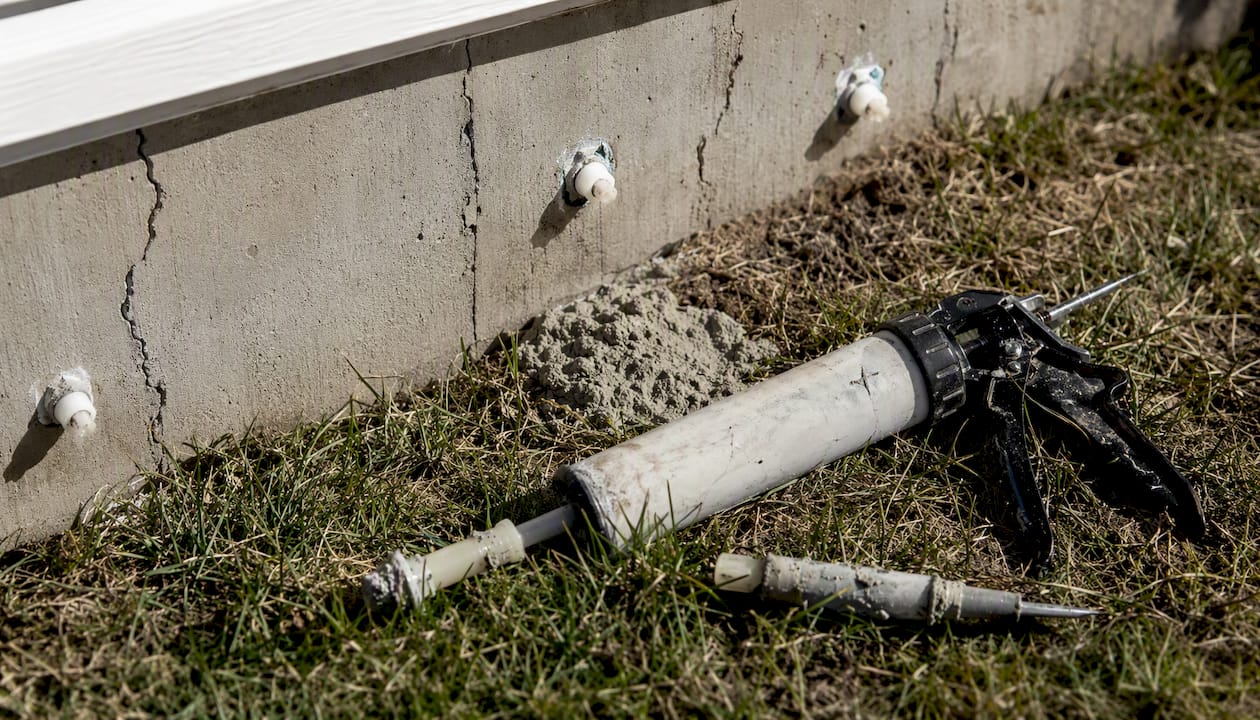
When any of these appear in an inspection report, a general inspector’s findings are often not enough. You need a structural engineer’s written assessment to understand the scope, cause, and likely repair cost. Learn more about what causes foundation issues to fail inspections before your contingency window opens.
Repair costs for structural defects vary widely, but foundation work in particular can run from a few thousand dollars for minor crack injection to well over $30,000 for full underpinning or pier installation. That range is why defining a repair-cost threshold in your contingency clause matters — more on that in the contract language section below.
What are your options after a problematic inspection?
If the inspection turns up significant structural issues, you have three primary paths. Which one makes sense depends on the severity of the defect, the seller’s flexibility, and your lender’s requirements.
Your three core options:
- Terminate and recover earnest money: The cleanest exit when defects are severe, costs are unclear, or the seller is unwilling to negotiate. Valid only if you file notice within the contingency window.
- Request seller repairs: Ask the seller to fix specific items before closing. Works best for discrete, well-defined problems. Comes with risk — repairs done quickly to close a deal are not always done well.
- Negotiate a price reduction or credit: The seller drops the purchase price or provides a closing credit so you handle repairs after closing. Gives you control over contractor selection and quality.
A fourth path exists: accept as-is and proceed. This makes sense only when defects are minor, costs are known and budgeted, and you’ve confirmed the issues won’t affect your mortgage approval.
One lender note buyers often miss: if an inspection reveals a safety hazard or a defect that affects the home’s appraised value, your lender may require repairs before funding the loan — regardless of what you and the seller agree to. FHA and VA loans carry particularly strict property condition standards. Negotiate seller repairs with that in mind, and loop in your loan officer before finalizing any agreement.
Zillow’s guidance on real estate contingencies outlines all three buyer paths and notes that the right choice depends heavily on the nature of the defect and local market conditions. For Tallahassee buyers navigating foundation-specific negotiations, the Foundationresq negotiation checklist walks through the specific talking points and documentation you’ll need.
How should you write a clear structural contingency clause?
Vague contingency language is where deals fall apart. A clause that says “subject to satisfactory inspection” invites arguments about what “satisfactory” means. A well-drafted clause removes that ambiguity.
NAR advises making contingency language specific and measurable, and recommends consulting a real estate attorney for any language likely to be disputed. Here’s what a clear clause should include:
- Definition of “major defect” — specify that it means structural, mechanical, or safety issues exceeding a defined repair-cost threshold (e.g., repairs estimated above $5,000 by a licensed contractor or engineer).
- Inspection deadline — the exact date by which the inspection must be completed and notice filed.
- Inspector/engineer qualifications — require a state-licensed home inspector and, for structural concerns, a licensed structural or geotechnical engineer.
- Repair-cost threshold — the dollar amount above which the buyer may terminate or renegotiate without penalty.
- Right to re-inspect — buyer’s right to verify that agreed-upon repairs were completed correctly before closing.
- Notice address and method — specify to whom written notice must be sent, by what method (email, certified mail, agent portal), and by what time of day.
- Earnest money disposition — state explicitly that earnest money is returned to the buyer if the contingency is exercised properly.
Pro Tip: If the seller pushes back on a repair-cost threshold, propose a higher number rather than removing it entirely. A $10,000 threshold still protects you from catastrophic structural surprises while signaling flexibility to the seller.
Should you waive the structural contingency in a competitive market?
Waiving the inspection contingency is one of the highest-risk moves a buyer can make. Chase’s guidance is direct: experts warn that waiving inspection can leave buyers responsible for repair bills that dwarf the cost of the inspection itself. A home inspection fee that reveals a foundation problem costing many times its amount can be among the better investments in real estate.
That said, competitive markets create real pressure. Here are alternatives that keep your offer strong without surrendering all protection:
- Pre-offer inspection: Hire an inspector before submitting your offer. You go in with eyes open, and you can waive the contingency with actual knowledge of the property’s condition.
- Shortened inspection window: Offer a 5-day window instead of 10. Shows commitment without eliminating protection.
- Limited-scope contingency: Restrict the contingency to structural and safety defects only, excluding cosmetic items. Sellers often find this acceptable.
- Higher earnest money with inspection rights retained: Signals financial commitment while keeping your exit option intact.
Waiving entirely may be defensible when you have a pre-offer inspection in hand, the property is new construction with builder warranties, or you are an experienced investor who has independently assessed the risk. For most first-time buyers, none of those conditions apply.
When do you need a structural engineer instead of a home inspector?
Start with a licensed home inspector. If the inspector flags anything related to the foundation, load-bearing walls, roof framing, or significant floor movement, call a structural engineer.
Typical cost ranges:
- Home inspection: roughly $300–$500 for a standard single-family home, depending on size and location.
- Structural engineer evaluation: roughly $500–$700 for a focused assessment; a full written report with repair recommendations can run higher.
The decision flow is straightforward: inspector identifies a red flag → engineer evaluates the specific structural concern → engineer’s written report quantifies the problem and outlines repair options. That written report is what you bring to the negotiating table and what your contractor uses to bid the work.
Identifying foundation issues early before the inspection window closes gives you more time to get an engineer’s assessment and a repair estimate — both of which strengthen your negotiating position considerably.
What happens when foundation or crawl-space problems are confirmed?
When an inspection confirms foundation settlement, crawl-space moisture, or related structural damage, the repair path depends on the specific defect. Common specialist fixes include:
- Underpinning with helical or push piers: Used when foundation settlement is ongoing or severe. Piers are driven to stable soil or bedrock to stabilize and sometimes lift the foundation.
- Slab stabilization (polyurethane foam injection): Addresses voids beneath concrete slabs and minor settlement without excavation.
- Crawl-space encapsulation: Seals the crawl space with a vapor barrier to control moisture, prevent wood rot, and reduce mold risk.
- Basement or crawl-space waterproofing: Addresses water intrusion through interior drainage systems, sump pumps, or exterior membrane application.
- Mold remediation: Required when moisture damage has progressed to active mold growth in framing or insulation.
When comparing bids, ask each contractor for a written scope of work, the specific repair method proposed, materials used, warranty terms, and proof of licensing and insurance. A bid that skips any of those elements is incomplete. Foundationresq’s services page covers the full range of repair options, and financing options are available for buyers who need to budget repairs after closing.
Pro Tip: Get at least three written bids before agreeing to any repair credit with the seller. A single contractor’s estimate — especially one the seller provides — may not reflect the actual market cost.
The contingency is your best tool; use it deliberately
Most buyers treat the inspection contingency as a formality. It isn’t. It’s the one moment in the transaction where you hold all the leverage, and it lasts only 7–10 days.
The conventional wisdom says to use the contingency to find deal-killers. That’s true, but incomplete. The contingency is also your best tool for pricing the risk you’re taking on. Even if you decide to proceed after finding a foundation issue, a written engineer’s report and three contractor bids give you a documented basis for a price reduction or seller credit. Sellers who know you have that documentation negotiate differently than sellers who think you’re guessing.
The buyers who get hurt are the ones who rush the inspection, skip the engineer when the inspector raises a flag, or let the deadline pass without filing notice because they didn’t want to seem difficult. None of those instincts serve you. The contingency exists precisely for this moment — use it.
Foundationresq can help when the inspection finds structural problems
If your inspection turns up foundation settlement, crawl-space moisture, or structural damage in North Florida, South Georgia, or Alabama, Foundationresq offers free on-site inspections with no obligation — so you can get a professional assessment and a written repair estimate before your contingency deadline passes.

Foundationresq’s team specializes in foundation repair, crawl-space encapsulation, concrete leveling, basement waterproofing, and mold remediation — the exact issues that most commonly surface during structural inspections. Financing options are available for buyers who need to plan repairs after closing. Bring your inspection report and engineer’s findings to the estimate appointment; the more documentation you have, the more precise the written bid will be. Compare at least three written bids, verify each contractor’s license and insurance, and confirm warranty terms before agreeing to any seller credit or repair arrangement. Request your free inspection to get started.
Sources
- Real Estate Contingency Clauses: Types and How to Use Them – LegalClarity
- What Is a Home Inspection Contingency?
- What Is a Home Inspection Contingency and Why Is It Important? – Investopedia
- Consumer guide: real estate contract contingencies – NAR
- Home inspection contingency guidance – Chase
This article is general information, not a substitute for advice from a qualified lawyer. Consult a qualified legal professional about your own circumstances before acting on anything here.
FAQ
Who benefits most from a structural contingency?
Buyers benefit directly — the contingency gives them the right to terminate or renegotiate without losing earnest money if a home inspection reveals major structural defects. Sellers benefit indirectly from a smoother transaction when the clause is clearly written and both parties understand the timeline.
How long does a house stay in contingency?
Inspection contingencies typically run 7–10 days; financing contingencies commonly extend 30–60 days. The total contingency period on a contract can overlap multiple contingency types, so a home may remain contingent for several weeks from offer acceptance to contingency removal.
Is it better for a house to be pending or contingent?
Contingent means the sale depends on one or more conditions still being met — the buyer still has an exit. Pending typically means all contingencies have been removed and the sale is moving toward closing. From a buyer’s perspective, contingent status means you still have contractual protection; pending means you’ve committed.
What is the 3-3-3 rule in real estate?
The 3-3-3 rule is not a standardized industry term with a single canonical definition. Some agents use it informally to describe a framework for offer timelines or negotiation stages, but it does not refer to a specific contingency structure. Confirm any such reference with your agent, as usage varies by market.