
That musty odor drifting up through your floors is almost always one of five things: mold releasing mVOCs, sewer gas from a dry trap or broken line, rodent droppings and decomposition, standing water, or a torn vapor barrier. A rotten-egg smell means call a plumber today; a musty, earthy smell means moisture and mold, so call a crawl-space remediation specialist; an ammonia smell means pest control first. Specialists handle the moisture and mold side of that equation across the region.
TL;DR:
- Mold and microbial volatile organic compounds occur when moisture levels exceed 60% in wood and insulation, requiring moisture control and encapsulation to eliminate odors.
- Short-term odors like rotten eggs demand immediate plumbing repairs, while persistent musty smells often indicate ongoing moisture issues needing professional moisture management.
- Sewer gas detected by a sharp, sulfurous smell results from dry traps or cracked lines, necessitating licensed plumbing inspections and repairs for safe resolution.
- Odors from rodent urine or decomposing animals involve pest control and thorough cleanup, with mold and vapor barrier deficiencies linked to long-term moisture retention.
- Encapsulation and continuous dehumidification, with sealed vapor barriers and sealed vents, provide the most effective, permanent solution for controlling crawl space odors and moisture.
Table of Contents
- Common Causes of Crawl Space Odors, Explained
- How Crawl Space Air Reaches Your Living Space
- Diagnosing By Smell: Match the Odor to the Right First Call
- Cause-Specific Fixes That Actually Remove the Odor
- Preventive Maintenance Checklist to Keep Smells From Coming Back
- Why Professional Encapsulation and Dehumidification Work
- Choosing Between a DIY Fix and Calling a Pro
- How Foundation RESQ Can Help With Crawl Space Odor
- Sources
- FAQ
Common Causes of Crawl Space Odors, Explained
Every smell coming from under your house has a chemical signature, and matching it correctly saves you from paying the wrong contractor.
Mold and mVOCs top the list. When humidity sits above 60% against wood joists, subfloor insulation, or cardboard debris, mold colonies release microbial volatile organic compounds, the same gases responsible for that classic musty, basement smell. The EPA notes that mold remediation has to start with moisture control, not a spray bottle.
Poor ventilation is more complicated than it sounds. Traditional vented crawlspaces were built on the idea that outside air dries things out, but in humid climates, that vented air often carries more moisture in than it removes.
Standing water shows up from bad grading, clogged gutters dumping water at the foundation, a high water table, or a slow plumbing leak nobody’s noticed yet.
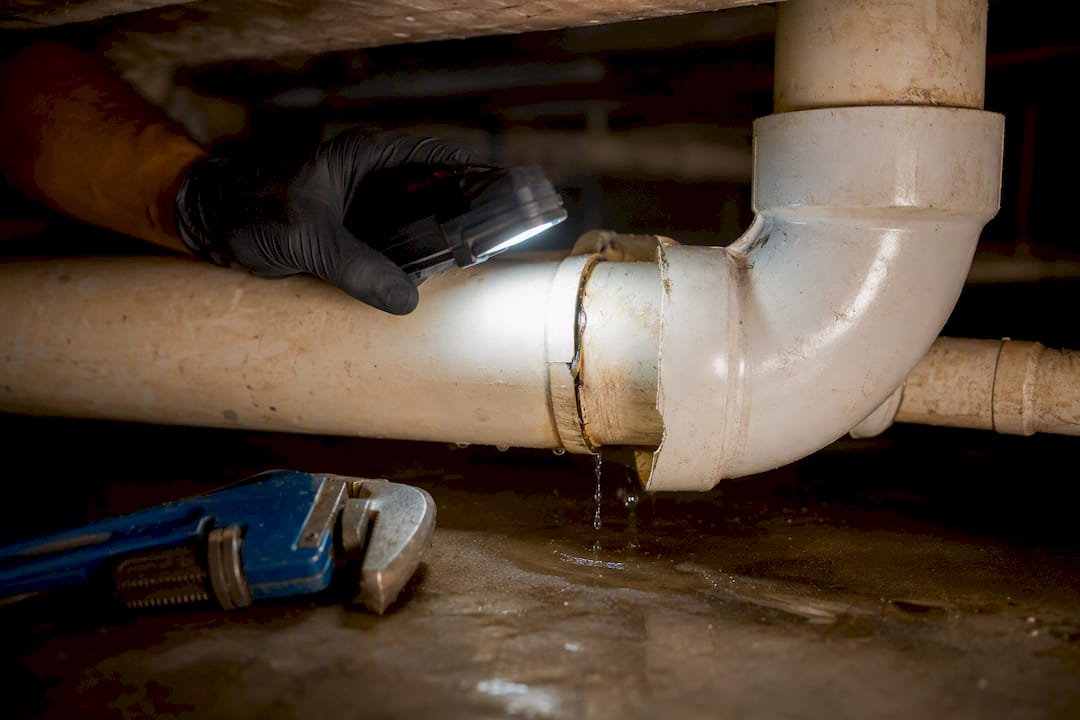
Plumbing problems produce the sharpest odor complaints. A dry P-trap under a rarely used fixture, a cracked waste line, or a loose cleanout cap lets sewer gas rise straight into the crawl space.
Rodents and dead animals leave ammonia from urine and a rot smell from decomposition, both of which carry real health risks beyond the smell itself.
Failing vapor barriers and soaked insulation become long-term odor reservoirs, holding moisture against the soil long after the original leak is gone.
A quick urgency read:
- Rotten egg smell: same-day plumber call, possible gas safety issue
- Sudden ammonia smell: pest control within 48 hours
- Musty smell that’s worsened over weeks: schedule a moisture inspection soon, not urgent-emergency but not ignorable
How Crawl Space Air Reaches Your Living Space
Odors travel because your house behaves like a chimney. Warm air rises through the structure, pulling replacement air in from the lowest, leakiest point, which is usually the crawl space.
In unsealed homes, the stack effect can draw 40 to 50% of first-floor air from the crawl space. That’s not a trace amount. It means nearly half the air you breathe on your main floor may have started underneath your house.
The pathways are ordinary construction gaps: rim joist seams, plumbing and electrical penetrations, leaky return ducts, and open sump pits all act as chimneys for crawl-space air. HVAC systems make it worse. A leaky return duct running through the crawl space can pull contaminated air directly into your supply air, spreading odor and moisture to every room the ductwork serves.
Diagnosing By Smell: Match the Odor to the Right First Call
Odor profiles map to specific causes with enough consistency that you can triage before anyone shows up with a toolbox.
- Musty or earthy points to mold and mVOCs. Moisture is the driver.
- Ammonia points to rodent urine and nesting activity.
- Rotten egg points to hydrogen sulfide, either sewer gas or decomposing organic matter trapped in standing water.
- Sweet or chemical points to stored solvents, old paint cans, or a degrading vapor barrier off-gassing.
Before calling anyone, run a few quick checks yourself. Sniff at the crawl-space access hatch first thing in the morning, when odors tend to peak after a cool overnight buildup. Drop a hygrometer down there for a day or two to see actual humidity, not a guess. Look for standing water or droppings through the hatch without climbing in.
Pro Tip: If the smell is strongest right after you run the dishwasher or a washing machine, suspect a plumbing leak feeding the crawl space, not mold.
Once you’ve narrowed it down: rotten egg means plumber, ammonia means pest control, musty or persistent chemical smell means a crawl space encapsulation or remediation specialist.
Cause-Specific Fixes That Actually Remove the Odor
Matching the fix to the cause matters more than the fix itself. Here’s what actually works, and what doesn’t.
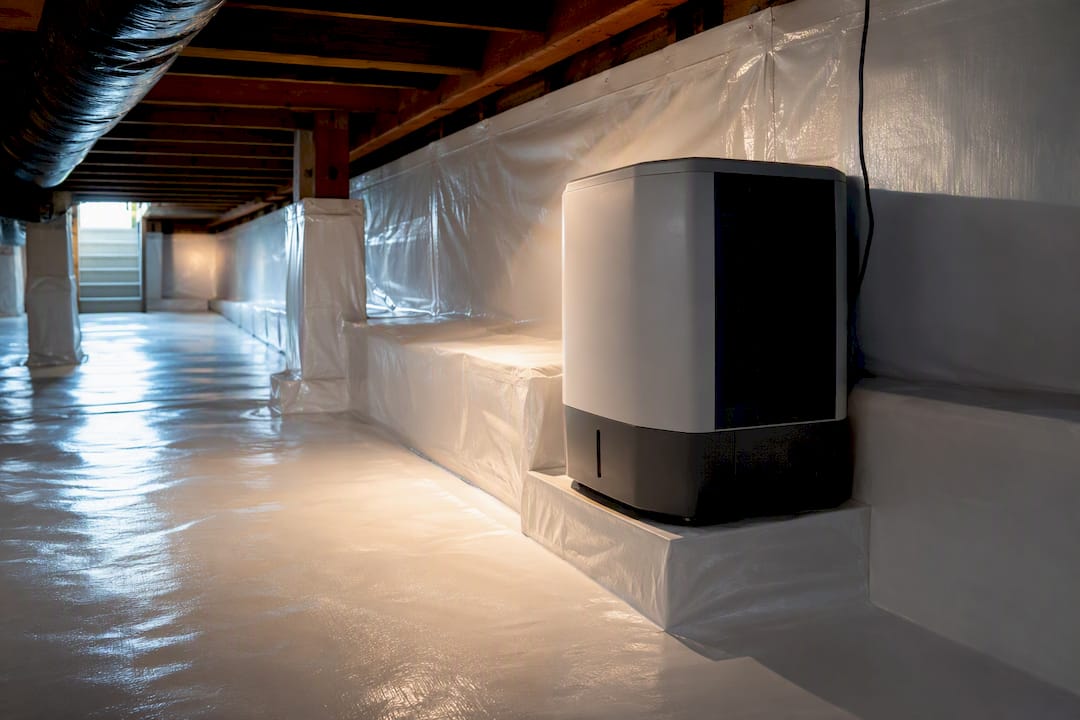
Mold and musty odors require finding and stopping the moisture source first, whether that’s grading, a leak, or vapor coming up through bare soil. After that comes a vapor barrier or full crawl space waterproofing, a dehumidifier running continuously, and removal of any insulation that’s absorbed moisture. Expect the smell to clear over 2 to 4 weeks once humidity is under control. It doesn’t vanish overnight because the mVOCs already trapped in porous materials take time to dissipate.
Standing water gets solved by fixing grading so water runs away from the foundation, extending downspouts, and installing perimeter drains with a sump pump where groundwater is chronic. Confirm whether the water is groundwater intrusion or a plumbing leak before spending money, since the fix is completely different.
Sewer gas needs a licensed plumber, full stop. A camera inspection finds the broken line, dry trap, or bad cleanout seal, and the repair usually involves resealing or replacing the failed section.
Rodents and carcasses call for pest control to handle exclusion and removal, followed by disinfecting the area and replacing any contaminated insulation.
Vapor barrier work should use adequate thickness material, sealed seams, and rim-joist air sealing, following the sequencing outlined in Advanced Energy’s closed crawlspace guidance.
Skip the ozone machines, scented plug-ins, and bleach spraying. These mask the smell for a few days at best and do nothing about the moisture driving it, so the odor returns, usually worse.
Preventive Maintenance Checklist to Keep Smells From Coming Back
- Clean gutters and check grading each spring and fall; keep downspout discharge 4 to 6 feet from the foundation.
- Place a hygrometer in the crawl space and check it monthly, targeting relative humidity between 45% and 55%, never above 60%.
- Inspect vapor barrier seams, ductwork joints, and the access door gasket twice a year, and again after any major storm.
- Call a professional if humidity stays elevated for more than a few weeks despite dry weather, or if you spot new staining on joists.
Pro Tip: Write the date and reading on a sticky note near the hygrometer each time you check it. A rising trend over three or four visits tells you more than any single number.
Why Professional Encapsulation and Dehumidification Work
A closed, conditioned crawl space controls moisture at the source instead of chasing symptoms. The protocol typically includes:
- A sealed ground vapor barrier
- Closed and sealed foundation vents
- A dedicated dehumidifier sized to the space
- Sealed rim joists and duct connections
Field research on closed-crawlspace interventions shows measurable reductions in indoor moisture and airborne contaminants compared with vented designs. Crawl space and mold remediation teams typically run moisture mapping, duct leak testing, and plumbing camera diagnostics before recommending a fix, then follow up with humidity monitoring to confirm the odor stays gone.
Choosing Between a DIY Fix and Calling a Pro
A sewer smell justifies a same-day plumber call; encapsulation projects typically clear odor in 2 to 4 weeks; rodent cleanup runs 1 to 2 weeks plus follow-up remediation. Treat sewer gas, extensive mold, or soft, rotting joists as safety issues, not weekend projects. Permanent fixes cost more upfront but almost always beat the cycle of repeated masking attempts and repeat service calls.
How Foundation RESQ Can Help With Crawl Space Odor
If the checks above point to moisture, mold, or a failing vapor barrier, a crawl space specialist may inspect crawl spaces and recommend encapsulation, dehumidification, or mold remediation based on what’s actually happening under the house, not a one-size-fits-all package.

A typical visit starts with a full crawl-space inspection covering moisture readings, vapor barrier condition, and ductwork, followed by an estimate outlining what needs to happen and in what order. Financing options may be available for larger jobs like full encapsulation, so cost doesn’t force a homeowner into a temporary patch instead of a permanent fix. If sewer gas is the culprit, experts can point you toward the plumbing repair needed before any crawl-space work makes sense.
If your crawl space has that musty smell that won’t quit, or you’ve already found standing water under the house, schedule a crawl space waterproofing inspection and get a straight answer on what’s actually happening down there.
Sources
For deeper detail on the science behind crawl-space odors, these sources cover the ground this article draws from:
- Guide to closing and conditioning ventilated crawlspaces — EnergyStar/Advanced Energy
- Advanced Energy / field studies on crawlspace moisture and closed-crawlspace interventions — AIVC/Advanced Energy report
For sewer odors, contact a licensed plumber. For active mold, work with a certified remediation specialist.
FAQ
How can I get rid of the smell coming from my crawl space?
Identify the source first: mold needs moisture control and a vapor barrier, sewer gas needs a plumber, and rodent odor needs pest control and cleanup. Masking the smell with air fresheners or ozone machines doesn’t solve the underlying moisture problem.
What’s the best way to eliminate crawl space odor long-term?
A sealed vapor barrier combined with continuous dehumidification, keeping crawl-space humidity between 45% and 55%, addresses the moisture that produces most odors rather than covering them up.
Why does my basement smell like sewage but there’s no visible leak?
A dry P-trap under a rarely used drain or a hairline crack in a waste line can release sewer gas without any standing water or visible leak, which is why a plumber’s camera inspection matters more than a visual check.
Why does my crawl space smell like sewer gas specifically?
Sewer gas smell usually traces to hydrogen sulfide escaping through a dry trap, a broken sewer line, or a loose cleanout cap, all of which let gas from the waste system vent directly into the crawl space instead of out through the roof stack.
Is a musty crawl space smell dangerous to my health?
Mold-related mVOCs and elevated humidity are linked to respiratory irritation, and since the stack effect pulls a significant share of crawl-space air into your living space, a persistent musty smell is worth addressing rather than ignoring.