
Crawl space problems in rental properties are defined as structural and moisture-related defects occurring in the area between the ground and a home’s first floor, directly affecting air quality, structural integrity, and tenant health. Dampness and mold in homes increase respiratory illness rates by 30%–50%, contributing to approximately 4.6 million U.S. asthma cases. That figure alone signals serious landlord liability. Proactive inspection and crawl space remediation, the industry’s standard term for diagnosing and correcting these defects, reduces expensive repairs and keeps rental units legally habitable.
1. Common crawl space problems landlords face in rental properties
Moisture intrusion is the root cause behind most crawl space failures in rental homes. When soil moisture rises through an unprotected crawl space floor, it raises relative humidity, feeds mold colonies, and softens wood framing over months. Landlords often discover the problem only after tenants report musty odors or sagging floors.
The most frequent issues break down as follows:
- Persistent moisture and failed vapor barriers. Torn or missing polyethylene sheeting allows ground moisture to evaporate directly into the crawl space. Wood rot and mold follow within weeks in humid climates.
- Inadequate ventilation. Vented crawl spaces in humid regions pull warm, moist outside air in during summer, causing condensation on cooler surfaces like joists and ductwork. Crawl space ventilation design directly determines how much moisture accumulates.
- Standing water. Poor exterior grading, clogged gutters, or plumbing leaks allow water to pool under the home. Standing water accelerates wood decay and attracts pests.
- Pest infestations. Termites and rodents favor damp, dark crawl spaces with damaged vapor barriers. Pest activity compounds structural damage already caused by moisture.
- Sagging floors and soft joists. Prolonged moisture exposure weakens floor joists until floors flex or dip noticeably. Tenants notice this as bouncy or uneven flooring.
- Musty odors and declining air quality. Volatile organic compounds from crawlspace decay cause tenant symptoms often mistaken for seasonal allergies or poor sleep, alerting landlords to hidden issues before mold becomes visible.
- Insulation damage. Fiberglass batt insulation absorbs moisture, loses R-value, and falls from joist bays. Energy bills rise as the HVAC system compensates.
Pro Tip: Schedule a crawl space walkthrough every time a tenant moves out. Vacant periods are your best window to inspect without disruption and catch problems before the next lease begins.
A minor moisture issue can progress to full structural remediation within one to two years if left unaddressed. The cost difference between a vapor barrier replacement and full joist sister repair is significant. Catching problems early is always cheaper.
2. Effective solutions and preventive maintenance for rental crawl spaces
A prioritized maintenance plan separates landlords who control costs from those who face emergency repairs. The following numbered approach moves from the most foundational fix to ongoing monitoring.
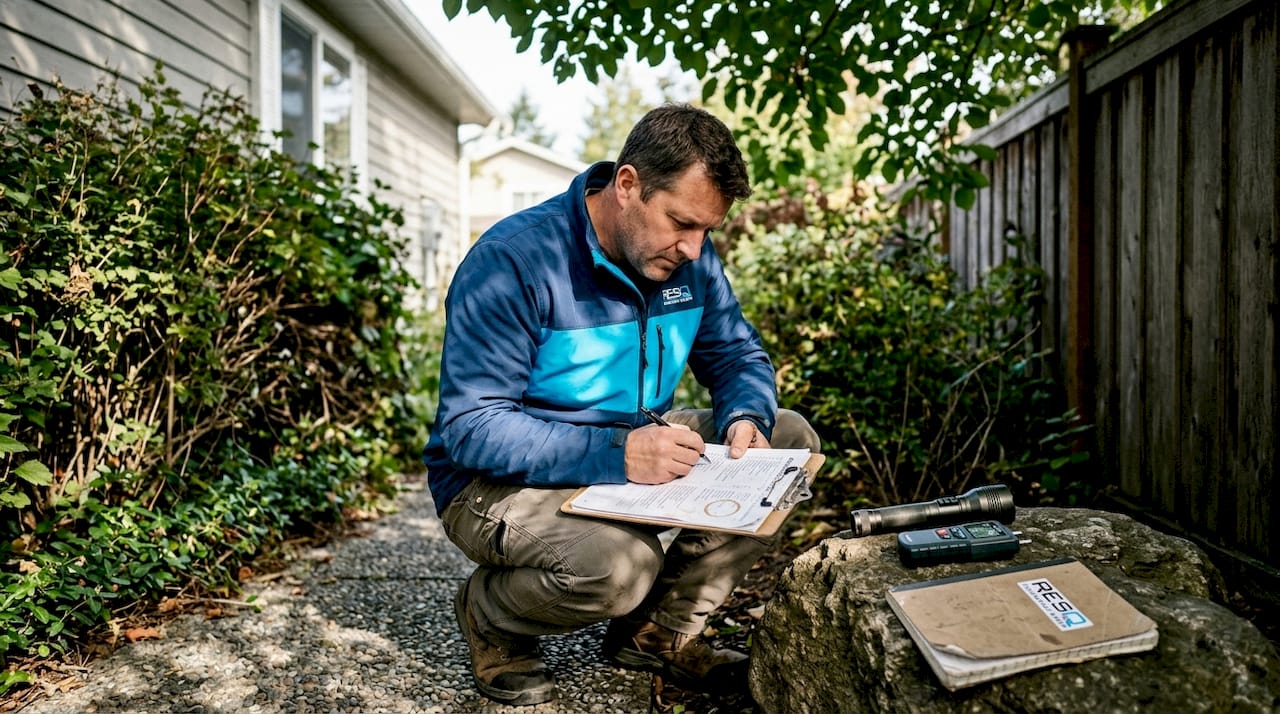
- Establish biannual inspections. Inspect crawl spaces at least twice annually, ideally in spring and fall. Routine checks cost $100–$500 per year, far less than remediation.
- Install or repair vapor barriers. A 6-mil to 20-mil polyethylene barrier covering 100% of the soil floor and sealed to foundation walls stops ground moisture at its source.
- Transition to crawl space encapsulation. A full crawl space encapsulation system seals the space from outside air, eliminating condensation caused by vented designs. This is the single most effective long-term moisture control upgrade.
- Add a commercial dehumidifier. In high-humidity regions, crawl space dehumidification is a continuous maintenance requirement, not a one-time fix. A dedicated unit keeps relative humidity below 60%, the threshold above which mold colonizes within 24–48 hours.
- Correct exterior grading. Soil should slope away from the foundation at a minimum of 6 inches over 10 feet. Flat or negative grading channels rainwater directly under the home.
- Maintain gutters and downspouts. Downspouts should discharge at least 6 feet from the foundation. Clogged gutters overflow against the sill plate and saturate the soil below.
- Repair plumbing leaks immediately. A slow supply line drip can raise crawl space humidity to dangerous levels within days. Repair any confirmed leak within 24 hours.
- Install a sump pump where needed. Properties in low-lying areas or with high water tables benefit from a sump pump to remove water before it accumulates.
- Address insulation proactively. Replace fallen or saturated fiberglass batts with closed-cell spray foam applied directly to the rim joist and foundation wall. This approach also reduces pest entry points.
- Document every inspection and repair. Written records with photos protect landlords legally and create a maintenance history that supports property value.
Pro Tip: When installing a vapor barrier in termite-prone areas, maintain a 3-inch inspection gap between the barrier and the sill plate. Building codes require this spacing so inspectors can visually detect termite activity without removing the barrier.
Preventive maintenance consistently costs less than major remediation. A landlord who spends $500 annually on inspections and minor repairs avoids the $5,000–$15,000 cost of mold remediation or joist replacement. The math is straightforward.
For properties in the Southeast or Gulf Coast, moisture control in high-humidity regions is an ongoing obligation requiring dedicated systems, not seasonal attention. Landlords in these areas should treat encapsulation and dehumidification as standard infrastructure, not optional upgrades. Exterior waterproofing resources, such as those from Exterior Genie, also illustrate how moisture management at the foundation perimeter complements interior crawl space controls.
3. Landlord and tenant legal responsibilities for crawl space maintenance
Legal responsibility for crawl space conditions falls primarily on the landlord. Courts hold landlords responsible for moisture and mold issues caused by structural defects, regardless of how tenants use the property. This precedent holds across most U.S. jurisdictions under implied warranty of habitability doctrine.
“Legal experts advise regular inspections and documentation as the strongest defense landlords have against habitability claims related to mold and moisture in crawl spaces.”
Tenant responsibilities are narrower but real. Tenants must report leaks, water intrusion, or unusual odors promptly. Failure to report a known leak that worsens the damage can shift partial liability to the tenant. Lease clauses should spell out this reporting duty clearly.
Landlord best practices for legal protection include:
- Pre-tenancy crawl space inspection reports with photos and moisture readings.
- Written repair records documenting every intervention, including dates and contractor names.
- Tenant communication logs showing prompt responses to reported issues.
- Lease addenda specifying tenant duties to report moisture, leaks, or pest activity within 48 hours of discovery.
Mold on floor joists or subflooring typically indicates a structural moisture source, not tenant behavior. That location distinction matters in court. A landlord who can show the mold originated in the crawl space, not from tenant-caused condensation inside the unit, demonstrates the defect was structural and pre-existing.
4. How to identify early warning signs of crawl space issues
Early detection prevents minor moisture problems from becoming structural failures. Landlords who know what to look for can act before tenants file complaints or courts get involved.
Key warning signs to check during every inspection:
- Visible mold on joists or the vapor barrier. Any mold growth in the crawl space requires immediate action. Mold colonizes within 24–48 hours once humidity exceeds 60%, so speed matters.
- Musty odors reported by tenants. Odors often precede visible mold. Treat every musty odor complaint as a crawl space alert until proven otherwise.
- Sagging, bouncy, or uneven floors. Soft joists flex under foot traffic. This symptom indicates moisture damage that has already progressed to wood decay.
- Sticking doors or windows. Structural movement caused by weakened joists or foundation shifts shows up as doors and windows that no longer close cleanly.
- Condensation on ductwork or foundation walls. Visible condensation confirms that relative humidity in the crawl space is too high.
- Increased tenant allergy or respiratory complaints. Tenant health symptoms like headaches and fatigue are often caused by volatile organic compounds from decay, even before mold is visible.
- Higher than normal energy bills. Damaged or missing insulation forces the HVAC system to work harder. A sudden spike in utility costs warrants a crawl space check.
Moisture meters are the most reliable early detection tool. Wood moisture readings above 19% indicate conditions favorable for wood decay fungi, requiring immediate intervention. A basic moisture meter costs under $50 and takes seconds to use. Pair it with a digital humidity sensor left in the crawl space year-round for continuous monitoring between inspections. For a full checklist of crawl space red flags, Foundationresq publishes a detailed buyer’s guide that applies equally well to rental property assessments.
Key Takeaways
Proactive crawl space maintenance requires biannual inspections, full vapor barrier installation, and encapsulation with dehumidification to protect rental property value and tenant health.
| Point | Details |
|---|---|
| Moisture is the core problem | Ground moisture and poor ventilation drive mold, wood rot, and pest infestations in crawl spaces. |
| Inspect twice per year | Spring and fall inspections catch problems early and cost far less than remediation. |
| Encapsulation outperforms venting | A sealed, conditioned crawl space eliminates condensation that vented designs cannot prevent in humid climates. |
| Landlords bear legal responsibility | Courts assign liability for structural moisture defects to landlords, regardless of tenant behavior. |
| Moisture meters catch hidden decay | Wood readings above 19% signal active decay risk before floors sag or mold becomes visible. |
What years of crawl space work have taught me about rental properties
Landlords consistently underestimate the crawl space until a tenant calls about a collapsing floor or a mold complaint lands in their inbox. I’ve seen this pattern repeat across dozens of properties. The crawl space is out of sight, so it stays out of mind until the repair bill arrives.
The most expensive crawl space jobs I’ve encountered share one trait: the problem was obvious years before anyone looked. Sagging vapor barriers, standing water, and soft joists don’t appear overnight. They build slowly while the landlord collects rent and assumes everything is fine.
Regional climate makes a real difference. Properties in Florida, Georgia, and the Gulf Coast face summer humidity levels that push crawl spaces to their limits every year. A vapor barrier alone is not enough in these climates. Encapsulation with a dedicated dehumidifier is the baseline, not the premium option.
My honest recommendation: treat your crawl space budget the way you treat your roof budget. Set aside money annually, inspect on a schedule, and repair small problems before they compound. The landlords who do this rarely face emergency remediation costs. The ones who skip it eventually pay multiples of what prevention would have cost.
— Kayle
Foundationresq crawl space services for rental property owners
Rental property owners in the Tallahassee area have a direct resource for crawl space remediation, encapsulation, and moisture control.

Foundationresq specializes in crawl space waterproofing and full encapsulation systems designed to eliminate moisture intrusion at the source. The team installs commercial-grade dehumidifiers, repairs or replaces vapor barriers, and addresses mold and structural damage in a single coordinated process. Landlords who act before tenant complaints arise avoid the legal exposure and remediation costs that come with delayed repairs. Foundationresq offers free inspections and financing options to make repairs accessible without delaying necessary work. Contact Foundationresq to schedule an assessment and get a clear picture of your property’s crawl space condition.
FAQ
What causes most crawl space problems in rental properties?
Moisture intrusion from poor vapor barriers, inadequate ventilation, and exterior drainage failures causes the majority of crawl space problems in rental properties. These conditions lead to mold growth, wood rot, and pest infestations if left unaddressed.
How often should landlords inspect crawl spaces?
Landlords should inspect crawl spaces at least twice per year, typically in spring and fall. Routine inspections cost $100–$500 annually and prevent far more expensive remediation work.
Are landlords legally responsible for crawl space mold?
Courts hold landlords responsible for mold caused by structural moisture defects, regardless of tenant behavior. Regular inspections and documented repairs are the strongest legal defense against habitability claims.
What is the fastest way to detect hidden crawl space moisture?
A moisture meter reading wood framing above 19% signals active decay risk before floors sag or mold becomes visible. Pairing a moisture meter with a continuous humidity sensor gives landlords real-time data between inspections.
Is crawl space encapsulation worth the cost for rental properties?
Crawl space encapsulation eliminates condensation that vented designs cannot prevent in humid climates, reducing mold risk, protecting structural framing, and lowering energy costs. For rental properties in high-humidity regions, encapsulation pays for itself by reducing ongoing maintenance and tenant health complaints.
Recommended
- Crawl Space Issues Home Buyers Guide: Top 9 Red Flags – Tallahassee Foundation Repair | Foundation ResQ
- In Depth Guide to Crawl Space Stabilization – Tallahassee Foundation Repair | Foundation ResQ
- Don’t Get Your Crawl Space Wet: A DIY Repair Handbook – Tallahassee Foundation Repair | Foundation ResQ
- Decoding Crawl Space Repair Costs: A Homeowner’s Guide – Tallahassee Foundation Repair | Foundation ResQ