Why Testing for Mold Matters for Your Home and Health
How do you test for mold in your home? You have three main options:
- Visual Inspection – Look for visible mold, water stains, peeling paint, and musty odors in damp areas like bathrooms, basements, and crawl spaces.
- DIY Test Kits ($10-$150) – Use petri dish kits or surface swabs to collect samples, then optionally send them to a lab for analysis.
- Professional Testing ($300-$1,000+) – Hire certified inspectors who use air sampling, surface sampling, moisture meters, and thermal imaging for comprehensive assessment.
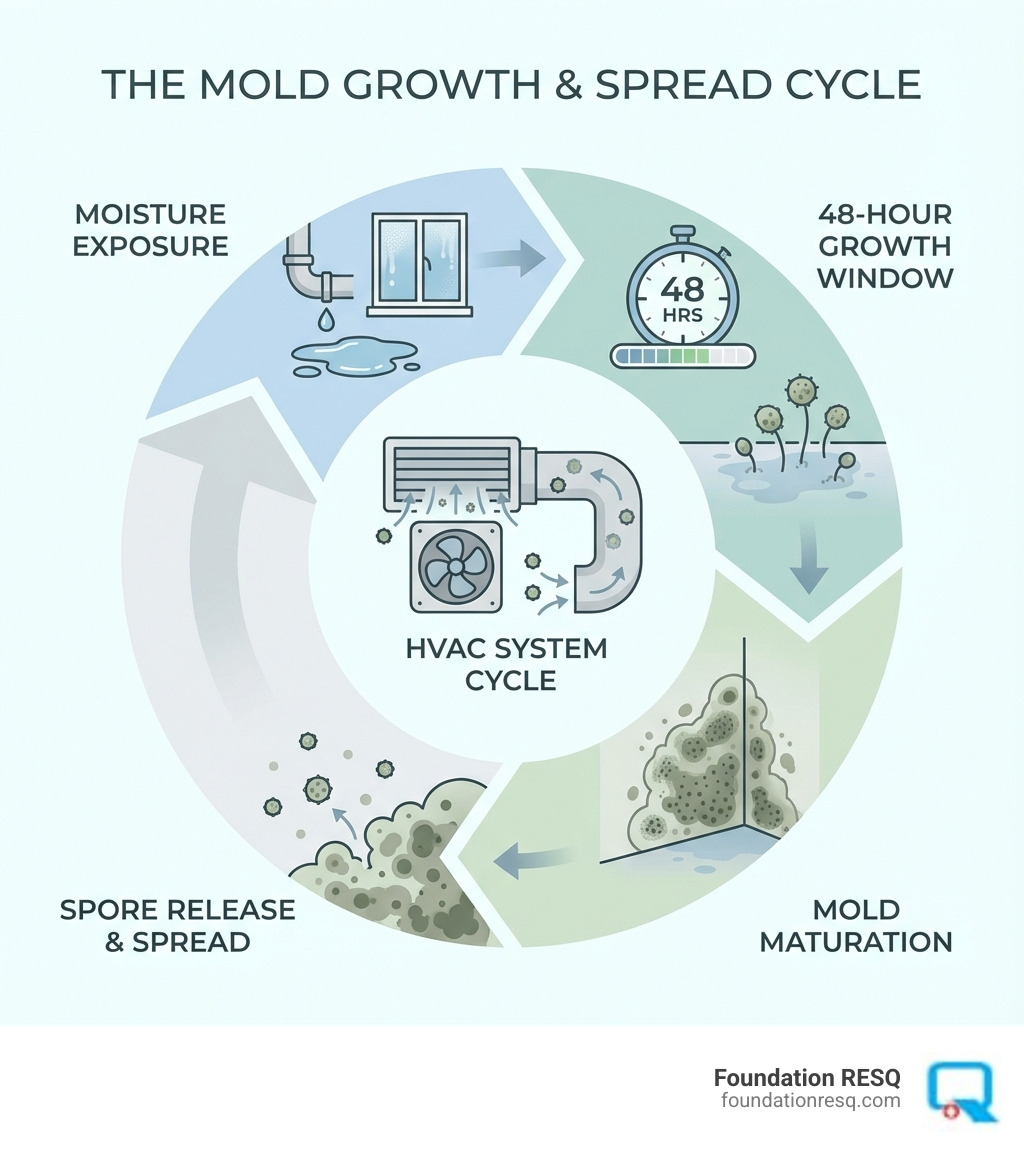
That musty smell in your basement isn’t just unpleasant—it’s a warning sign. Mold can grow within 48 hours of moisture exposure from a leaky pipe, poor ventilation, or water intrusion, quickly spreading throughout your home.
Beyond damaging walls and furniture, mold exposure can trigger allergies, worsen asthma, and cause respiratory issues. For families with foundation problems, mold is a common secondary issue, making early detection critical for your home’s structure and your family’s health.
The good news is you can take action. This guide will walk you through the steps to detect, test, and address mold. I’m Kayle Vernon, and with over a decade of experience, I’ve helped homeowners steer these exact questions about how do you test for mold in your home.
Spotting the Unwanted Guest: Telltale Signs of a Mold Problem
Before testing, learn the common signs of a mold problem. Your eyes and nose are often the best initial detectors. We advise homeowners in Tallahassee, Thomasville, and Jacksonville to be vigilant for these signs.
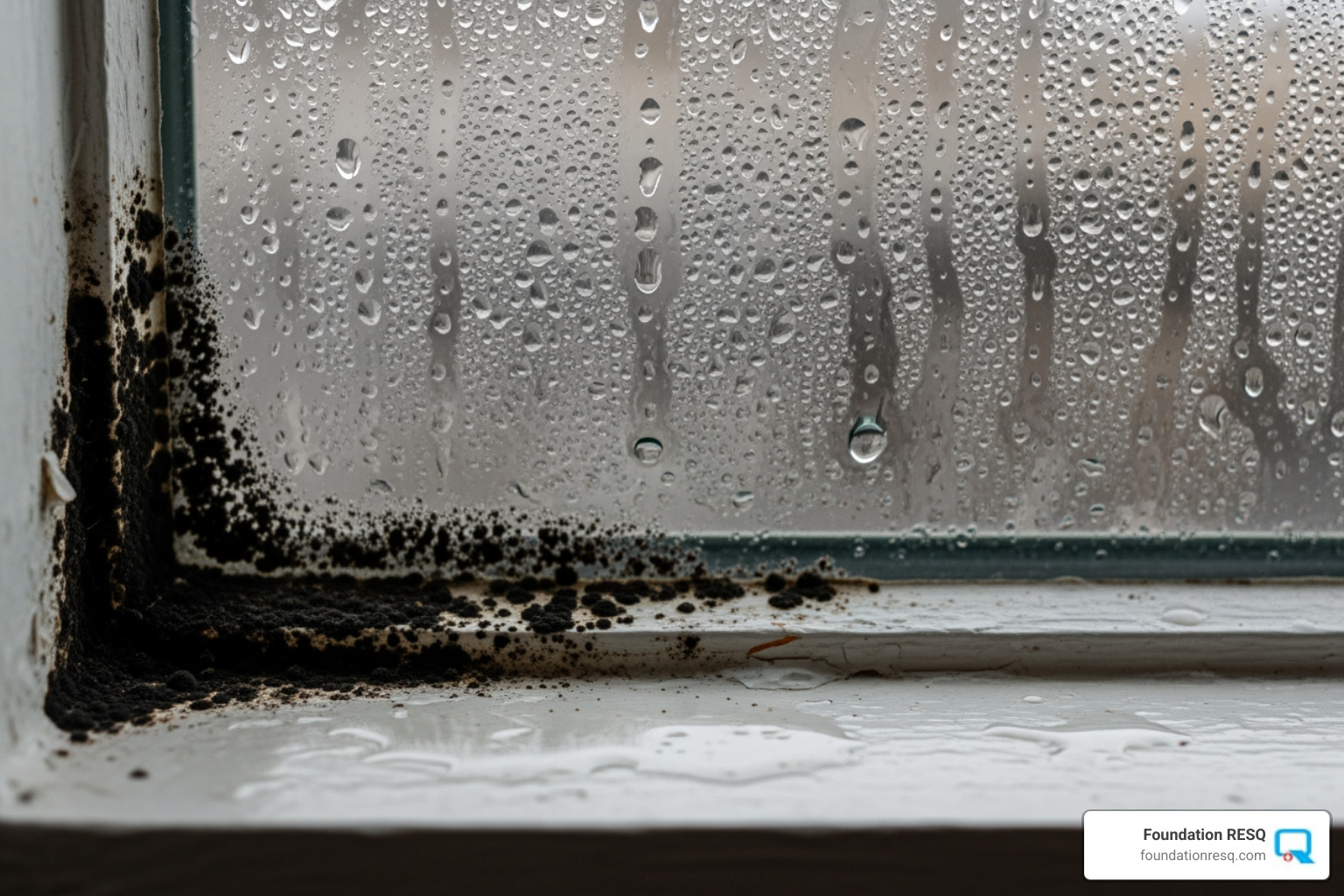
Visual signs are often the most obvious. Mold appears as fuzzy, slimy, or discolored patches. It comes in many colors (black, green, white, gray, brown, orange, or pink). Any visible mold, not just “black mold,” indicates a moisture problem that needs to be addressed. Look for:
- Stains and discoloration: On walls, ceilings, or floors. If they have a fuzzy texture, it’s likely mold.
- Warped walls or peeling paint: These are strong indicators of moisture intrusion, which creates a breeding ground for mold.
A musty or earthy smell is an even more common sign than visible growth, often indicating hidden mold behind walls or under floors. This persistent odor, caused by mold-produced volatile organic compounds (VOCs), is a significant warning sign.
Common Mold Hotspots
Mold thrives in damp, dark, and poorly ventilated areas:
- Bathrooms: High humidity and potential plumbing leaks.
- Basements: Often damp, dark, and prone to leaks or flooding.
- Attics: Poor ventilation, roof leaks, or condensation.
- Crawl Space Mold Inspection: Crawl spaces in humid climates like Florida and Georgia are notorious for moisture, making them a common spot for mold.
Health Symptoms
Mold exposure can impact your health by producing allergens, irritants, and potentially toxic substances (mycotoxins). Health effects vary based on individual sensitivity and exposure duration.
Common health symptoms include:
- Allergies: Persistent sneezing, runny nose, itchy eyes, and skin rashes.
- Asthma attacks: Mold can trigger more frequent and severe attacks.
- Headaches and fatigue: Some people report persistent headaches and malaise.
- Respiratory issues: Coughing, wheezing, and shortness of breath.
The elderly, infants, and those with allergies or weakened immune systems are most vulnerable. If unexplained symptoms improve when away from home, mold could be the cause. The CDC provides comprehensive information on mold’s health effects.
How Do You Test for Mold in Your Home? A Look at Your Options
If you suspect mold, testing can confirm its presence and extent. While a visual check is often enough for visible mold, testing is crucial when mold is suspected but not seen, or to identify the type and concentration of spores.
Understanding Different Mold Test Types
When considering how do you test for mold in your home, several methods are available:
- Air Sampling: Measures the concentration of airborne mold spores.
- Spore trap analysis (non-viable): The most common method. It traps spores for microscopic analysis to identify types and quantity. It provides a “snapshot” of airborne spores but doesn’t confirm if they are living or from an active colony.
- Viable sampling (culture): Spores are cultured in a lab to identify living mold species. This takes 7-10 days and may miss certain molds.
- Surface Sampling: Directly checks surfaces for mold growth.
- Tape lifts: Clear tape is pressed on a surface and analyzed under a microscope. It’s excellent for identifying visible mold types.
- Swab samples: A sterile swab collects samples from surfaces, which are then sent to a lab.
- Bulk Sampling: A physical piece of moldy material (drywall, carpet) is sent to a lab. This offers the most definitive identification of the mold type.
- DNA Testing: An advanced, expensive lab analysis that identifies mold species by their genetic material. It’s highly accurate and can detect non-viable (dead) mold.
The Cost of Peace of Mind
Mold testing costs vary by method and whether you choose DIY or professional services.
- DIY kit costs: Usually the cheapest option, from $10 to $150. Many kits require an additional lab fee for detailed analysis.
- Professional testing costs: Hiring a certified professional can cost $300 to $600, with extensive tests reaching $1,000 or more. This includes the inspector’s time, equipment, and lab fees.
Typical costs per sample for professional tests:
- Air sampling: $150 to $300 per sample.
- Surface sampling: $50 to $150 per sample.
- Bulk sampling: $50 to $250 per sample.
- Culture and DNA testing: $100 to $500 per sample.
The overall price is also influenced by your home’s size, the number of areas tested, and the investigation’s complexity.
DIY vs. Professional Testing: Making the Right Choice
Homeowners in Quincy, Lake City, and Perry often debate between DIY and professional mold testing. While DIY kits are a quick, inexpensive first step, they have significant limitations.
DIY Kit Limitations
DIY kits typically involve exposing a petri dish to the air or a surface. However, they are often not the best solution for a comprehensive assessment:
- False negatives or positives: Results can be unreliable. Since mold spores are everywhere, a kit will almost always show growth, which may not indicate a problem. Conversely, a negative result could provide a false sense of security if mold is hidden.
- No context for results: A kit can’t identify the mold source, extent of contamination, or compare indoor vs. outdoor spore levels. You’re left with growth in a dish and no real answers.
- Limited scope: DIY kits can’t effectively detect hidden mold behind walls or inside HVAC systems.
- Lack of expertise: Interpreting results requires specialized knowledge to differentiate between normal background mold and a concerning infestation.
When to Call a Professional
For most concerns beyond a small, accessible patch, professional mold testing is recommended, especially in humid areas like Wakulla and Madison.
Consider calling experts if:
- Large areas of mold: If mold covers more than 10 square feet (a 3×3 ft patch), the EPA recommends professional cleanup.
- After Crawl Space Water Damage: After flooding or significant leaks, a professional assessment is crucial.
- Persistent health issues: If your family has unexplained, mold-related symptoms.
- Real estate transactions: To provide peace of mind before buying or selling a home.
- Suspicion of hidden mold: If you smell mold but can’t see it.
What to Expect from a Professional Inspection
When you hire Foundation RESQ, our goal is a thorough, unbiased assessment. We use:
- Visual assessment: A meticulous examination for moisture intrusion and visible mold.
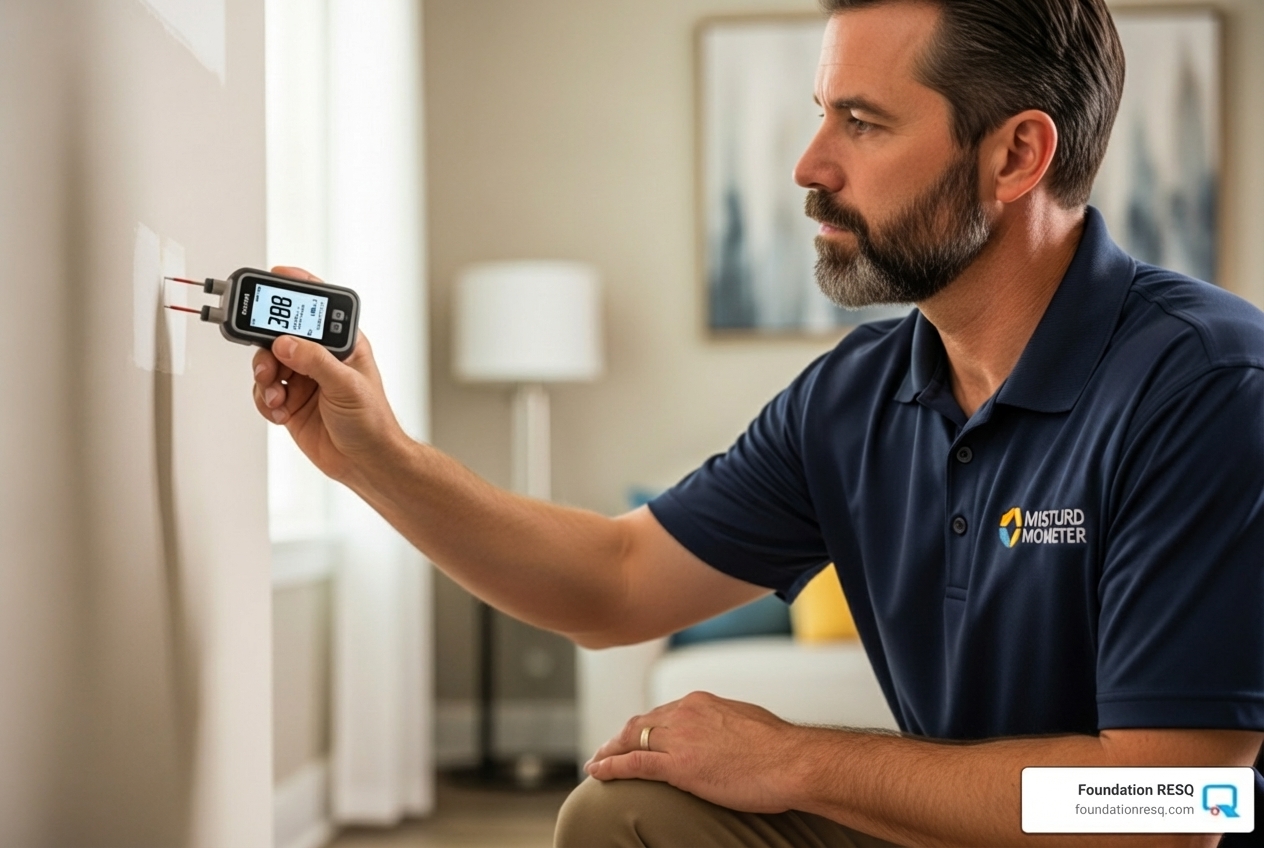
- Moisture meters: To detect liftd moisture levels in walls, ceilings, and floors.
- Thermal imaging: To identify temperature differences that indicate hidden moisture.
- Air and surface sampling: If needed, samples are sent to an accredited lab for analysis.
- Lab reports and interpretation: Our experts explain the results and provide actionable recommendations.
When choosing a professional, look for certifications from organizations like the American Council for Accredited Certification (ACAC) to ensure an unbiased inspection.
How do you test for mold in your home using a DIY kit?
If you use a DIY kit as a preliminary step, here’s a general guide on how do you test for mold in your home. Always follow your specific kit’s instructions.
- Close off the space: Close windows and doors in the room for at least 24 hours before testing.
- Set up the test kit: Prepare the petri dish as instructed.
- Collect the sample: For air samples, place the open dish in the room for a specified time. For surface samples, use the provided swab or press the dish to the surface.
- Incubate the sample: Seal the dish and store it in a dark, room-temperature location for 3-5 days.
- Observe the results: Look for any fuzzy or discolored growth, which indicates the presence of mold spores.
- Consider lab analysis: If significant growth appears, you can send the sample to a lab for identification. DIY kits are for detection, not comprehensive assessment.
When is Professional Mold Testing Recommended?
While DIY kits offer a preliminary look, professional testing is essential in some situations:
- Suspicion of hidden mold: A musty odor with no visible mold suggests hidden growth. Professionals use tools like moisture meters and thermal imaging to find it.
- Unexplained health symptoms: If residents have ongoing allergy-like symptoms that improve when they leave home, professional testing can confirm if indoor spore levels are liftd.
- Post-remediation verification: After remediation, an independent test confirms mold levels are normal and the moisture source is fixed. This is a key part of our Mold Remediation Services process for clients in Pensacola, Crawfordville, and other areas.
You’ve Found Mold: Now What?
Finding mold in your home can be alarming, but don’t panic. The immediate steps you take can make a significant difference.
First, identify and fix the moisture source. Mold needs moisture to grow. You must address the root cause—a leaky pipe, damp crawl space, or high humidity—or the mold will return. Our expertise in Crawl Space Waterproofing and foundation repair fixes these underlying issues.
Steps for Small-Scale Mold Cleanup
For small-scale cleanup—an area less than 10 square feet (a 3×3 ft patch)—you can often handle it yourself.
- Safety gear: Always wear an N-95 respirator, non-vented goggles, and long disposable gloves.
- Cleaning with detergent and water: For hard, non-porous surfaces, scrub the mold off with a stiff brush using a household detergent and water. The EPA does not recommend bleach for mold cleanup.
- Thoroughly drying the area: After cleaning, dry the area completely within 24-48 hours using fans or dehumidifiers.
- Discarding porous materials: Items like drywall, insulation, and carpet that have become moldy should often be discarded.
For more details, refer to the EPA guidance on mold cleanup.
When to Hire a Professional Remediator
If the mold covers a large area (over 10 square feet), results from sewage, or if you have health concerns, call the professionals. At Foundation RESQ, we specialize in comprehensive mold remediation, with the equipment to safely contain, remove, and prevent mold from returning.
How do you test for mold in your home after remediation?
After remediation, a crucial final step is post-remediation verification. This involves testing again to confirm the cleanup was successful and mold levels are normal. This test is typically performed by an independent professional to ensure objectivity.
How to Prevent Mold from Coming Back
The best way to deal with mold is to prevent it. This requires ongoing vigilance, especially in humid regions like Florida and Georgia.
- Control humidity: Keep indoor humidity between 30% and 50% using air conditioners and/or dehumidifiers. Our Basement Dehumidification services can help.
- Improve ventilation: Ensure proper airflow by opening windows and interior doors when possible.
- Use exhaust fans: Run exhaust fans in bathrooms and kitchens, ensuring they vent outside.
- Address leaks promptly: Fix any leaks immediately and dry wet areas within 24-48 hours. Our Crawl Space Waterproofing services address these underlying issues.
- Regular home inspections: Periodically inspect your home for signs of moisture, especially in damp-prone areas.
Frequently Asked Questions about Home Mold Testing
Here are some common questions we receive regarding how do you test for mold in your home.
What are the most common types of household mold?
While thousands of mold species exist, a few are common in homes:
- Aspergillus: A common indoor mold, often green, black, or brown, that can cause allergic reactions.
- Cladosporium: Often found on textiles and wood, it can be green, brown, or black.
- Stachybotrys (black mold): A dark, slimy mold found on very wet materials like drywall or wood.
- Alternaria: A common allergenic mold found in damp areas like showers and around leaks.
- Penicillium: A blue-green, fuzzy mold often found on water-damaged materials.
The testing approach is similar for all types, focusing on identifying the presence of mold and its underlying moisture source.
Can you test for mold inside walls?
Yes, but it’s challenging. A musty odor with no visible mold strongly indicates hidden growth. A professional inspection is the best approach. We use tools like:
- Borescopes: Small cameras inserted through tiny holes to inspect inside walls.
- Thermal imaging: Detects temperature differences caused by hidden moisture.
- Air sampling: Can detect liftd airborne mold spores originating from a hidden source.
DIY kits are generally not effective for detecting mold inside walls.
What’s the difference between mold and mildew?
Mold and mildew are different:
- Mildew: A surface fungus that is typically flat and powdery (white, gray, or yellow). It’s generally easier to clean.
- Mold: Can be more invasive, often appearing raised, fuzzy, or slimy in various colors. It can grow beneath surfaces, causing more significant damage and posing greater health risks.
Take Control of Your Home’s Health
Understanding how do you test for mold in your home is a critical step in maintaining a healthy living environment. Empowering yourself with this knowledge allows for proactive measures.
Remember these key steps:
- Inspect visually: Look for discolored patches, warped materials, or peeling paint.
- Test when necessary: Use a DIY kit for initial checks or a professional for a comprehensive assessment.
- Address the moisture source: This is the golden rule. Fix leaks, control humidity, and ensure proper ventilation.
- Prevention is the best strategy: Regular maintenance and moisture control are your strongest defenses.
For complex mold issues, especially those from foundation or crawl space problems common in our service areas (including Tallahassee, Jacksonville, and Pensacola), a professional assessment is crucial. Foundation RESQ combines expertise in foundation repair, crawl space encapsulation, and mold remediation to provide lasting solutions that protect your home and health.
If you suspect mold or have concerns about moisture in your home, don’t wait. Schedule your free inspection and get a quote for mold remediation services with Foundation RESQ today. Let us help you breathe easier in a healthier home.