
The water table is the underground boundary where soil becomes fully saturated with water, and its proximity to your foundation is the primary driver of basement flooding risk. When groundwater rises to within 5 feet of a foundation’s base, seepage risk increases significantly. The force this water exerts is called hydrostatic pressure, and it pushes against your basement walls and floor constantly. Understanding how water table affects basement flooding is the first step toward protecting your home from a threat that operates silently underground, often long before you see a single drop inside.
How does the water table cause basement flooding?
Hydrostatic pressure is the force that saturated groundwater exerts against any surface it contacts. Your basement walls and floor sit directly in the path of that force. When the water table rises, the pressure builds, and concrete, which handles compression well, is weak under tension. That weakness is exactly what groundwater exploits.
In saturated clay soils, hydrostatic pressure can exceed 60 pounds per square foot against basement walls. That number matters because it regularly surpasses the resistance typical poured concrete can sustain without cracking or bowing inward. Once a wall begins to bow, the damage compounds with every wet season.
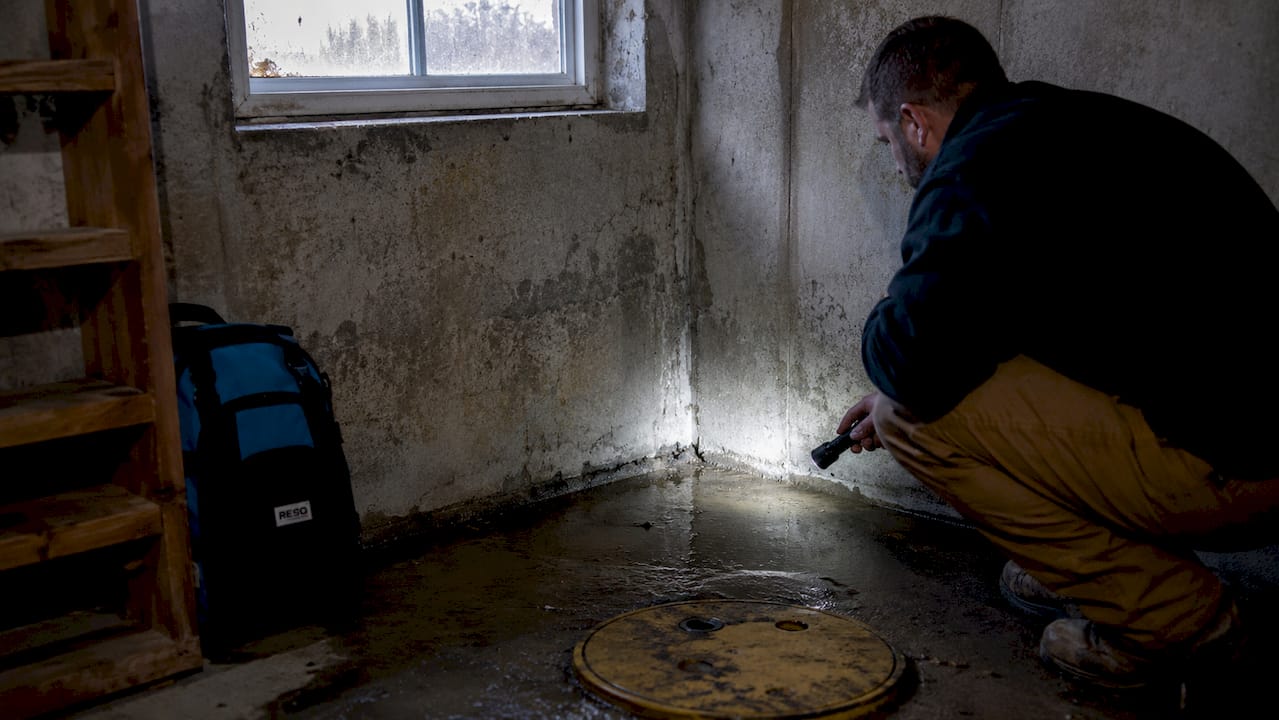
The most common entry point is the cove joint, the seam where your basement wall meets the floor slab. Because the wall and floor are poured at separate times, they never form a perfectly sealed bond. Under pressure, water enters through this seam first. Floor cracks are the second most common path, especially when pressure builds beneath the slab and causes heaving.
The distinction between seepage and structural damage matters here. Seepage is water migrating through pores in concrete. Structural damage is the wall or floor physically moving or cracking under load. Both start with the same cause, but structural damage requires far more expensive repairs. Catching seepage early prevents the second problem entirely.
Pro Tip: If you notice water appearing along the base of your basement walls rather than running down from above, the source is almost certainly groundwater pressure, not a surface leak. That distinction changes the entire repair approach.
- Cove joint seepage: water appears at the wall-floor seam after rain or snowmelt
- Floor cracks: water bubbles up through hairline cracks in the slab
- Wall bowing: inward movement of 1 inch or more signals structural stress
- Efflorescence: white, powdery mineral deposits left behind as water evaporates through walls
When and where does groundwater flooding risk peak?
Seasonal patterns drive most basement flooding events tied to the water table. Spring is the highest-risk period across most of the United States. Snowmelt and sustained spring rain combine to push water tables 2 to 3 feet closer to the surface, with peak risk typically occurring in march and april. Homeowners who had dry basements all winter often discover leaks for the first time during this window.
Geography determines your baseline risk before any seasonal shift occurs. Homes built in low-lying areas, near rivers, or in coastal plains sit above naturally shallow water tables. Clay-heavy soils make the problem worse because clay retains water rather than draining it, keeping pressure elevated long after a rain event ends. Sandy or gravelly soils drain quickly and reduce sustained pressure.
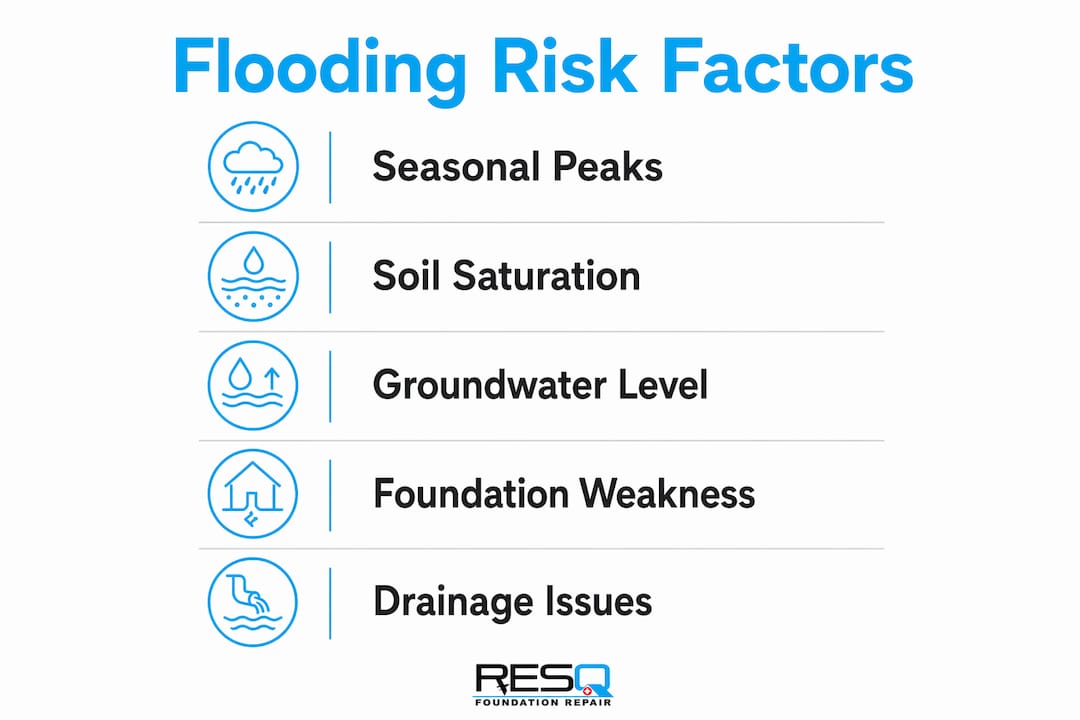
Freeze-thaw cycles add another layer of risk in northern climates. When frozen ground thaws in late winter, water that cannot drain through still-frozen deeper soil layers pools near the surface. That trapped water raises the local water table temporarily but intensely. Homes that survived a mild winter can face their worst flooding during an early spring thaw.
The regional risk factors that matter most:
- Soil type. Clay soils hold moisture and increase pressure duration. Sandy soils drain and reduce it.
- Elevation. Low-lying properties have shallower water tables by default.
- Proximity to water. Homes within a quarter mile of a river, lake, or wetland face elevated baseline groundwater levels.
- Impervious surfaces nearby. Paved driveways and neighboring concrete push runoff toward your foundation instead of allowing it to disperse.
- Local drainage infrastructure. Neighborhoods with aging or undersized storm drains concentrate water near foundations during heavy rain.
One factor homeowners consistently underestimate: groundwater flooding lasts longer than storm flooding. Surface runoff drains within hours. Groundwater saturation can persist for weeks or months, meaning the pressure against your basement walls does not stop when the rain does.
What are the most effective ways to reduce basement flooding?
Preventing basement water damage from a high water table requires both exterior and interior strategies working together. No single fix addresses the full problem.
Exterior drainage solutions
Proper grading is the first line of defense. The ground around your home should slope away from the foundation at a rate of at least 6 inches over the first 10 feet. Flat or inward-sloping yards funnel rainwater directly toward your walls. Gutters and downspouts must discharge at least 6 feet from the foundation. A downspout that dumps water at the base of your wall is worse than no gutter at all.
French drains are perforated pipes buried in gravel-filled trenches that redirect groundwater away from the foundation before it builds pressure. They work best when installed at or below the footing level, where they intercept water before it contacts the wall. Consulting a plumber for water damage assessment alongside a foundation specialist gives you a complete picture of both surface and subsurface water sources.
Interior waterproofing systems
Interior perimeter drain tile systems collect water that does enter the basement and channel it to a sump pit. A sump pump then discharges that water away from the home. The critical detail: drain tile and sump pumps must work as a paired system. A sump pump without drain tile only removes water that has already pooled. Drain tile without a sump pump has nowhere to send the collected water.
Battery backup for your sump pump is not optional in a high water table area. Power outages during storms are exactly when you need the pump most.
Pro Tip: Test your sump pump every spring before the high-risk season begins. Pour a bucket of water into the pit and confirm the float triggers the pump. A failed pump during a spring thaw can flood a finished basement in under an hour.
| Approach | Best for | Limitation |
|---|---|---|
| Exterior grading | Redirecting surface runoff | Does not address deep groundwater |
| French drain | Intercepting groundwater before it reaches walls | Requires excavation; can clog over time |
| Interior drain tile | Managing water that enters the basement | Manages water entry, does not stop pressure |
| Sump pump | Removing collected water | Requires power and regular maintenance |
| Membrane waterproofing | Blocking water at the wall surface | Must meet IRC Section R406 code in high water table zones |
The International Residential Code, Section R406, draws a clear line between dampproofing and waterproofing. Dampproofing resists moisture vapor. Waterproofing resists liquid water under pressure. In any area with a high water table, the code requires full waterproofing with drainage systems. Many older homes were built with only dampproofing, which explains why they develop leaks as the foundation ages and the coating degrades.
What signs indicate a water table problem in your basement?
Water table-related basement issues leave specific clues. Recognizing them early separates a manageable repair from a structural crisis.
Visual signs:
- White or gray powdery deposits on walls (efflorescence) indicate water moving through concrete under pressure, carrying mineral salts to the surface
- Damp or wet patches along the base of walls, especially at the cove joint
- Horizontal cracks in block or brick walls, which signal lateral pressure
- Stair-step cracks in block foundations, indicating uneven settlement
Behavioral signs:
- Your sump pump runs constantly during wet seasons, even without visible rain
- A musty or earthy odor that returns after cleaning, caused by persistent moisture feeding mold growth
- Doors and windows that stick or no longer close squarely, a sign the frame is shifting
Structural signs:
- Walls bowing inward, even slightly. One inch of inward movement is the threshold where most structural engineers recommend immediate intervention.
- Floor cracks that grow wider over time or show vertical displacement
- Uneven or spongy floors in finished basements, which can indicate slab heaving from below
Any combination of bowing walls, recurring sump pump activity, and efflorescence points directly to hydrostatic pressure from a high water table. At that point, a foundation settlement repair assessment is the right next step, not another coat of waterproof paint.
Key Takeaways
A high water table creates hydrostatic pressure that forces groundwater into basements through cove joints, floor cracks, and weakened walls, and only a combined exterior and interior waterproofing system reliably stops it.
| Point | Details |
|---|---|
| Water table threshold | Groundwater within 5 feet of your foundation base raises seepage risk significantly. |
| Primary entry point | The cove joint, where wall meets floor slab, is the most common path for water under pressure. |
| Seasonal peak risk | Spring months, especially march and april, bring the highest water table levels in most US regions. |
| Code requirement | IRC Section R406 mandates full waterproofing, not just dampproofing, where hydrostatic pressure exists. |
| Paired system required | Sump pumps must work with interior drain tile to effectively relieve pressure and remove water. |
What I’ve learned from watching homeowners ignore hydrostatic pressure
Most homeowners assume their basement leaks because of rain hitting the surface. That assumption leads them to seal cracks from the inside, repaint with waterproof coatings, and call it done. The water comes back every spring, and they repeat the cycle. The real problem was never the crack. It was the pressure behind it.
I’ve seen this pattern enough times to say with confidence: surface treatments do not stop hydrostatic pressure. They delay it. The water finds the next weak point, usually within a season or two. The homeowners who solve the problem permanently are the ones who address drainage first, both outside the home and beneath the slab.
The other misconception I see constantly is that a dry summer means the problem is gone. Groundwater levels fluctuate with the seasons. A basement that stayed dry from june through october can flood badly in march. That false confidence leads people to skip maintenance on their sump pump or ignore a slow-growing crack, and then they face a much larger repair bill after the first wet spring.
The most cost-effective approach combines exterior grading and drainage with an interior drain tile and sump pump system. Neither alone is sufficient for a home with a genuinely high water table. Exterior drainage reduces the volume of water reaching the foundation. Interior systems manage what gets through anyway. Skipping either half of that equation is the reason so many basement waterproofing jobs fail within a few years.
— Kayle
Foundationresq can protect your basement from groundwater pressure
Homes in areas with high water tables need more than a coat of sealant. Foundationresq specializes in basement waterproofing services designed specifically for properties where hydrostatic pressure is the root cause of water intrusion. The team installs interior drain tile systems, sump pumps with battery backup, and membrane waterproofing that meets IRC Section R406 standards.
If the cost of a full waterproofing system feels out of reach, Foundationresq offers financing options for repairs that make professional-grade solutions accessible without delaying protection. You can also review the full range of foundation and waterproofing services to find the right fit for your home’s specific conditions. A free inspection is the starting point. Contact Foundationresq to schedule yours before the next wet season arrives.
FAQ
What is a high water table for a basement?
A water table is considered high when groundwater sits within 5 feet of a foundation’s base, which is the threshold at which seepage risk increases substantially.
Does a high water table always cause basement flooding?
Not always, but it raises the risk significantly. Homes with proper waterproofing systems and exterior drainage can manage a high water table without active flooding.
How do I know if my basement leak is from the water table?
Water appearing at the cove joint or through floor cracks, especially after prolonged rain or snowmelt, points to groundwater pressure rather than a surface leak. Efflorescence on walls confirms ongoing moisture movement through the concrete.
How long does groundwater flooding last compared to storm flooding?
Groundwater flooding persists far longer than storm flooding, often lasting weeks or months after surface runoff has cleared, because the saturated soil continues to exert pressure on the foundation.
Is dampproofing enough for a high water table area?
No. The International Residential Code, Section R406, requires full waterproofing with drainage systems wherever hydrostatic pressure exists. Dampproofing resists vapor only and fails under sustained water pressure.