Understanding the Average Home Mold Remediation Cost
Finding mold in your home is stressful. Beyond the immediate worry about your family’s health, you’re faced with questions about the financial impact. How much will this cost? What’s included? Can I afford to fix it properly? These are all valid concerns for homeowners dealing with foundation issues, water intrusion, or moisture problems that create the perfect environment for mold growth.
The truth is, mold remediation costs aren’t one-size-fits-all. The final price depends on the size of the infestation, where it’s located, the type of mold, and what repairs are needed to prevent it from coming back. Understanding these cost factors helps you budget appropriately and make informed decisions about protecting your home and family.
I’m Kayle Vernon, and through my decade of experience in marketing for home services companies, I’ve helped homeowners understand complex topics like home mold remediation cost and make confident decisions about their property investments. This guide breaks down exactly what you’ll pay, what influences those costs, and how to ensure you’re getting lasting value from your remediation project.

The home mold remediation cost typically ranges from $1,500 to $6,000 for most projects, with a national average hovering around $2,300 to $2,366. However, this is a broad average, and your specific costs can fall anywhere from a few hundred dollars to tens of thousands. Professionals often charge between $10 to $30 per square foot for mold removal services, including materials and labor.
The overall price is heavily influenced by the scale of the mold problem. We break down project sizes into categories to give you a clearer picture:
- Small-scale projects (Under 10 sq. ft.): These are often isolated patches, perhaps under a sink or on a small section of a bathroom wall. Costs typically range from $500 to $1,500.
- Medium-scale projects (10-100 sq. ft.): Mold covering a larger section of a wall, ceiling, or floor, or multiple smaller areas, falls into this category. You might expect to pay between $1,500 and $4,000.
- Large-scale infestations (100+ sq. ft.): This could involve an entire room, a significant portion of an attic or basement, or mold that has penetrated deep into building materials. Costs usually range from $4,000 to $10,000+.
- Whole-house remediation: In severe cases, such as after extensive flooding or long-term neglect, mold can be widespread throughout the entire home. These extensive projects can cost anywhere from $10,000 to $30,000 or more.
Here’s a quick reference table for estimated mold remediation costs by project size:
| Project Size | Description | Estimated Cost Range |
|---|---|---|
| Small | Under 10 sq. ft. (e.g., small bathroom patch) | $500 – $1,500 |
| Medium | 10-100 sq. ft. (e.g., section of a wall) | $1,500 – $4,000 |
| Large | 100+ sq. ft. (e.g., entire room, attic) | $4,000 – $10,000+ |
| Whole-House | Widespread throughout the property | $10,000 – $30,000+ |
What’s Included in a Standard Remediation Quote?
When we provide a quote for mold remediation, we aim for transparency. A comprehensive estimate typically covers several critical components to ensure thorough and lasting removal:
- Assessment and Inspection: Before any work begins, our experts conduct a detailed assessment to identify the extent of the mold, its source, and the affected materials.
- Containment Setup: To prevent mold spores from spreading to unaffected areas of your home, we establish containment zones using plastic sheeting, negative air pressure machines, and specialized airlocks.
- Air Filtration and Scrubbing: Industrial-grade HEPA (High-Efficiency Particulate Air) filters and air scrubbers are used to clean the air, removing airborne mold spores during and after the remediation process.
- Mold Removal and Cleaning: This involves physically removing mold-infested materials (like drywall or insulation) and cleaning non-porous surfaces with EPA-approved antimicrobial solutions.
- Material Disposal: Contaminated materials are carefully bagged, sealed, and disposed of according to local regulations for hazardous waste.
- Cleaning and Sanitizing: After removal, all surfaces are thoroughly cleaned, sanitized, and often treated with an encapsulant to prevent future growth.
- Post-Remediation Verification: We can conduct post-remediation testing to ensure that mold levels have returned to normal, healthy levels, providing you with peace of mind.
Regional Cost Variations
While national averages provide a general idea, home mold remediation cost can fluctuate based on your specific location. In our service areas across Alabama, Florida, and Georgia, several factors influence pricing:
- Cost of Living: Areas with a higher cost of living generally have higher labor rates, which directly impacts the overall project cost since labor can account for about 60% of the total bill.
- Climate Factors: States like Florida and Georgia, with their humid climates, are particularly susceptible to mold growth. This higher prevalence can sometimes lead to increased demand for remediation services, potentially influencing pricing. Florida’s high humidity, for instance, creates an ideal environment for mold, making remediation a common necessity.
- Local Labor Rates: The hourly rates for skilled mold remediation technicians can vary from city to city.
- Tallahassee Cost Considerations: In cities like Tallahassee, where we’re based, these regional factors come into play. We strive to offer affordable, lasting solutions while accounting for the local economic landscape and environmental conditions.
Key Factors That Influence Your Final Bill
When it comes to mold remediation, there’s no magic “one-size-fits-all” price. The cost variability is significant because every mold infestation is unique. Several key factors contribute to the final bill, making it essential to get a professional assessment. Crucially, identifying and addressing the original moisture source is paramount for preventing recurrence and ensuring a lasting solution.
Extent of the Mold Infestation
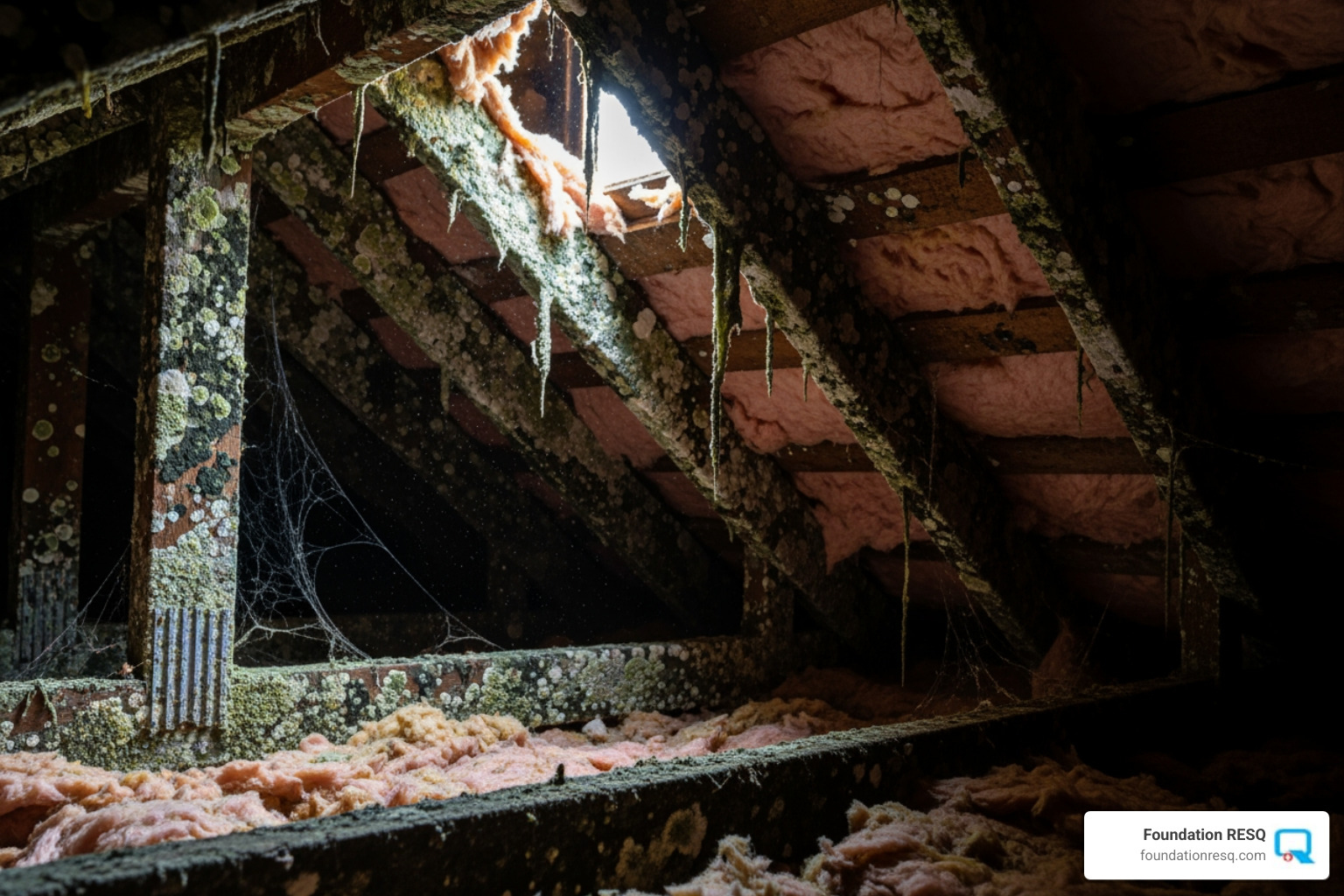
The size and severity of the mold infestation are arguably the most significant drivers of home mold remediation cost.
- Size of Affected Area: As discussed, a small, visible patch (under 10 sq. ft.) will be far less expensive to treat than widespread growth covering hundreds of square feet.
- Severity of Growth: Surface mold that hasn’t deeply penetrated materials is easier and cheaper to remove than mold that has embedded itself into porous items like drywall, insulation, or wood. What’s visible on the surface often represents only half of the actual mold growth.
- The 10 sq. ft. Rule: The EPA recommends that homeowners only attempt DIY mold removal for areas less than 10 square feet on non-porous surfaces. Anything larger than that, or mold on porous materials, requires professional intervention.
- Hidden Mold: Mold often thrives unseen behind walls, under flooring, or in attics and crawl spaces. Finding hidden mold during an inspection can significantly increase the scope and cost of remediation, as it requires more extensive demolition and repair.
- Cross-Contamination Risk: If mold spores have spread through the air or via HVAC systems to other parts of your home, it necessitates broader containment and cleaning efforts, driving up costs.
For general guidance on addressing moisture and mold in your home, you can refer to resources like this guidance on addressing home moisture and mold.
Breaking Down the Home Mold Remediation Cost by Location
The location of mold growth within your home plays a crucial role in determining the remediation cost. Accessibility challenges and the type of materials involved can significantly increase labor intensity and require specialized equipment.
- Attics: Mold in attics often stems from poor insulation, inadequate ventilation, or roof leaks. Remediation can cost $1,000 to $4,000, and sometimes up to $7,000 if insulation needs to be removed and replaced, or ventilation systems upgraded.
- Basements: Basements are prime breeding grounds for mold due to high groundwater levels, poor drainage, or foundation issues that lead to water seepage. Costs range from $500 to $4,000. If extensive foundation repairs or waterproofing are needed, the total can be much higher. We specialize in identifying and fixing these underlying issues to prevent future mold.
- Crawl Spaces: Similar to basements, crawl spaces frequently suffer from high humidity and moisture, leading to mold. Limited access makes these areas labor-intensive to remediate, with costs typically between $500 and $10,000. Our Crawl Space Mold Inspection services are designed to detect these issues early, and our Crawl Space Waterproofing can prevent recurrence.
- Bathrooms: Steam buildup, poor ventilation, and plumbing leaks make bathrooms common spots for mold. Minor issues might cost $500 to $1,500, but if mold is behind tiles or extensive drywall, costs can escalate.
- Walls and Drywall: Mold behind drywall is a common problem, often due to plumbing leaks or water intrusion. Since drywall is porous, it usually needs to be removed and replaced. Costs can range widely from $1,000 for a small section to $20,000 for extensive wall damage.
- HVAC Systems: Mold in your heating, ventilation, and air conditioning (HVAC) system is serious because it can spread spores throughout your entire home. Remediation is complex, involving duct cleaning and potential replacement of contaminated components, with costs typically from $3,000 to $10,000.
Does the Type of Mold Affect the Price?
While the EPA doesn’t differentiate between mold species for cleanup recommendations, the type of mold can definitely influence the home mold remediation cost. This is primarily due to the safety protocols required for different classifications:
- Allergenic Molds: These are common molds that can trigger allergy symptoms in sensitive individuals. Examples include Cladosporium and Alternaria. Remediation generally follows standard procedures.
- Pathogenic Molds: These can cause infections, particularly in individuals with compromised immune systems.
- Toxigenic Molds: These molds produce mycotoxins, which can be harmful to human health. The most well-known toxigenic mold is Stachybotrys chartarum, commonly known as black mold.
- Dangers of black mold: Black mold requires stricter safety measures due to its potential health risks, making its removal more expensive.
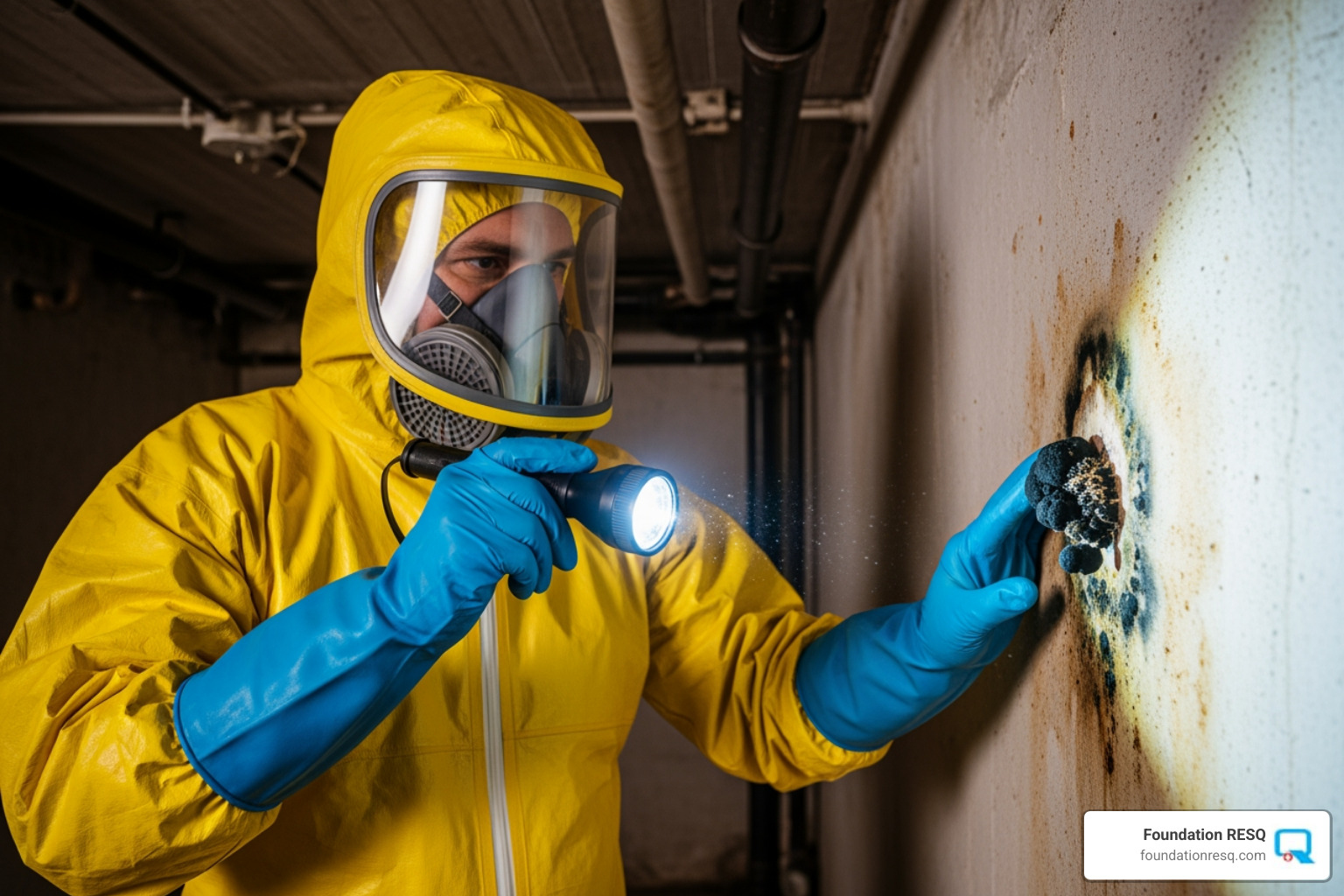
- Specialized Safety Protocols: When dealing with black mold or other hazardous types, our technicians employ improved safety protocols. This includes more robust containment, specialized Personal Protective Equipment (PPE) such as full-body suits and respirators, and more rigorous air filtration.
- Hazardous Waste Disposal: Contaminated materials from toxigenic mold remediation often require specific hazardous waste disposal procedures, which adds to the overall cost.
For these reasons, black mold remediation can cost 20% to 50% more than other types, often ranging from $800 to $7,000 for specific areas, depending on the extent.
The Full Scope: From Inspection to Restoration
Understanding the full scope of home mold remediation cost means looking beyond just the removal of the mold itself. A truly effective and lasting solution involves identifying and addressing the root cause of the moisture problem, and often includes significant post-removal repairs and preventative measures.
The Initial Step: Mold Inspection and Testing Costs
The first step in tackling a mold problem is often an inspection, which can involve testing. While we offer free inspections to assess visible mold and identify potential moisture sources, more in-depth testing by an environmental consultant typically incurs a separate fee.
- Visual Assessment: Our initial visual inspection helps us understand the extent of the visible problem and determine the likely moisture source.
- Air Quality Testing and Surface Sampling: For hidden mold, to identify specific mold types, or to verify air quality, an environmental consultant may perform air sampling or surface swabs. These samples are sent to a lab for analysis.
- Lab Analysis Fees: The cost for mold inspection and testing in our service areas can range from $200 to $1,000, with averages often between $300 to $500 per inspection, depending on the number of samples taken and the complexity of the lab analysis.
- Importance of Professional Inspection: Even if you see a small patch, a professional inspection can uncover hidden mold that’s much larger than what’s visible. This crucial step helps us develop an accurate remediation plan. For detailed information on inspections in specific areas of your home, check out our complete guide to crawl space mold inspection.
Estimating Your Home Mold Remediation Cost for Post-Removal Repairs
Mold rarely grows without damaging the materials it infests. Therefore, a significant portion of the total home mold remediation cost often comes from repairing or replacing these damaged components.
- Structural Damage: If mold has been present for a long time, it can compromise structural elements like wood framing, leading to costly repairs. We address these issues as part of our comprehensive solutions, linking back to our expertise in Foundation Repair Services.
- Porous vs. Non-Porous Materials: Non-porous surfaces (like metal, glass, or hard plastics) can often be cleaned. However, porous materials (like drywall, insulation, carpet, wood, and fabric) absorb mold spores deeply and usually need to be removed and replaced.
- Drywall Replacement: Costs for drywall repair or replacement after mold damage can range from $1,000 to $20,000, depending on the extent.
- Insulation Removal and Replacement: Moldy insulation in attics or crawl spaces must be removed. Replacement can cost anywhere from $500 to $3,000.
- Flooring Repair/Replacement: Mold-damaged flooring, whether carpet, hardwood, or subflooring, often requires replacement. Carpet replacement can cost $775 to $2,600, while hardwood can be $1,000 to $5,000+.
- Subfloor Replacement: If mold has damaged the subfloor, its replacement can add significant costs, often ranging from $2.20 to $4.75 per square foot.
- Solutions for crawl space water damage: Since water damage is the root cause of most mold, addressing these underlying issues with services like Crawl Space Repair Services is vital for a permanent fix.
Potential Hidden Costs of Mold Remediation
Beyond the direct costs of mold removal and repairs, homeowners should be aware of potential hidden expenses that can arise during a remediation project.
- Temporary Relocation: For large-scale projects or those involving toxic mold, we may recommend that you and your family temporarily relocate for safety and comfort. This can incur costs for hotels or temporary housing.
- HVAC Deep Cleaning: If mold spores have infiltrated your HVAC system, a specialized deep cleaning or even replacement of components might be necessary to prevent re-contamination, costing $600 to $2,000 for basic duct cleaning or up to $10,000 for extensive HVAC mold.
- Contents Cleaning: Personal belongings, furniture, and fabrics might need professional cleaning and deodorization if they’ve been exposed to mold spores.
- Increased Insurance Premiums: While not always the case, a mold claim could potentially lead to increased insurance premiums, especially if it’s a recurring issue.
- Long-Term Moisture Control Systems: To prevent future mold growth, we often recommend installing long-term solutions like Basement Dehumidification Systems or Crawl Space Dehumidification. These are crucial investments for a healthy home environment.
Professional vs. DIY Remediation: A Cost and Safety Comparison
When faced with mold, many homeowners ponder the DIY route to save money. However, the decision to tackle mold yourself versus hiring a professional involves significant cost and safety considerations.
The EPA (Environmental Protection Agency) provides clear guidance: if the moldy area is less than 10 square feet (roughly a 3-foot by 3-foot patch), and it’s on a hard, non-porous surface, you might be able to remove mold yourself. This would involve wearing proper PPE (gloves, N95 mask, goggles), cleaning with detergent and water, and ensuring the area dries completely.
However, for anything beyond this very small, contained scenario, the risks of improper removal quickly outweigh any initial cost savings:
- Spreading Spores: Without proper containment, disturbing mold can release millions of spores into the air, spreading the problem to other areas of your home, including your HVAC system, leading to a much larger and more expensive issue.
- Incomplete Cleaning: DIY methods often fail to address the root cause of the moisture, or to thoroughly remove mold embedded in porous materials. This means the mold is highly likely to return, often worse than before.
- Health Exposure: Direct contact with or inhalation of mold spores can cause or worsen allergies, asthma, and other respiratory problems. Toxigenic molds, like black mold, pose even greater health risks.
- The False Economy of Failed DIY Attempts: We’ve seen many clients who attempted DIY mold removal, only to find the problem grew, spread, or returned. This ultimately results in higher home mold remediation cost because professionals then have to remediate a more extensive and complex infestation, often fixing previous DIY mistakes. This is why deciding to DIY can be a costly mistake.
The Value of Hiring a Professional
Hiring a professional for mold remediation is an investment in your home’s health and your family’s well-being. Here’s why the value often far outweighs the cost:
- Thorough Containment: Professionals like us establish robust containment zones to prevent cross-contamination, protecting the rest of your home.
- Advanced Equipment: We use specialized tools such as HEPA vacuums, industrial-grade air scrubbers, and negative air machines to effectively remove mold spores from both surfaces and the air.
- Identifying the Moisture Source: Our expertise extends beyond just removing visible mold. We pinpoint and address the underlying moisture source, which is critical for a permanent solution. This often ties into our foundation, crawl space, and basement waterproofing services.
- Ensuring Permanent Removal: We don’t just clean; we remediate. This means removing contaminated materials, cleaning affected areas, and applying preventative treatments to stop mold from coming back.
- Warranties and Peace of Mind: Professional services often come with warranties, providing you with assurance that the job is done right. Our customer-focused service, free inspections, and advanced techniques are designed to provide affordable, lasting solutions.
For comprehensive information on professional services that ensure a healthy indoor environment, explore our information on professional indoor environmental services.
Frequently Asked Questions about Mold Remediation
Will my homeowners insurance cover mold removal?
This is a common question, and the answer is typically, “it depends.” Homeowners insurance usually covers mold remediation if the mold resulted from a “covered peril,” meaning a sudden and accidental event. For example:
- A burst pipe.
- A sudden appliance leak.
- Storm damage that leads to water intrusion.
However, most standard policies exclude coverage for mold caused by neglect, gradual leaks, or chronic humidity. This means mold from a slow, undetected plumbing leak, long-term high humidity in a basement, or unaddressed ventilation issues might not be covered. Flood damage, which often leads to widespread mold, also requires a separate flood insurance policy.
It’s crucial to review your specific homeowners insurance policy or speak directly with your agent to understand your coverage limitations.
How long does the mold removal process take?
The duration of the mold removal process varies significantly based on the extent, location, and severity of the infestation, as well as any necessary repairs.
- Small jobs: For minor, isolated mold issues, remediation can often be completed in 1 to 3 days.
- Extensive projects: Large-scale infestations, or mold in hard-to-access areas like crawl spaces or HVAC systems, can take a week or more.
- Restoration Timeline: If significant repairs are needed (e.g., drywall replacement, new flooring), this restoration work will add to the overall timeline, potentially extending the project by several days or weeks.
For severe or extensive mold, we might recommend temporary relocation during the active remediation phase to ensure your family’s safety and comfort.
How do I stop mold from coming back?
The key to preventing mold recurrence after remediation is to control moisture. Mold needs moisture to grow, so eliminating its water source is paramount. Here are essential steps:
- Maintain Optimal Humidity Levels: Keep indoor relative humidity between 30% and 50%. Dehumidifiers are excellent tools for achieving this, especially in basements and crawl spaces. We offer Basement Dehumidification Systems and Crawl Space Dehumidification as part of our comprehensive solutions.
- Fix Leaks Promptly: Address any leaks immediately, whether from a leaky roof, plumbing, or foundation cracks. Our expertise in Basement Waterproofing Services and Foundation Repair Services is crucial here.
- Ensure Proper Ventilation: Use exhaust fans in bathrooms and kitchens. Ensure attics and crawl spaces are adequately vented.
- Dry Water Damage Quickly: If any water intrusion occurs, dry the affected areas within 24-48 hours to prevent mold growth.
- Regular Inspections: Periodically inspect areas prone to moisture, such as basements, crawl spaces, attics, and bathrooms, for any signs of water intrusion or mold.
Get an Accurate Estimate and Lasting Peace of Mind
Navigating the complexities of home mold remediation cost can feel overwhelming, but understanding the factors involved empowers you to make informed decisions. From the size and location of the infestation to the type of mold and necessary repairs, each element contributes to your final bill.
At Foundation RESQ, we believe in transparent pricing and lasting solutions. We don’t just remove mold; we address the root cause of the moisture problem, integrating our expertise in foundation repair, crawl space solutions, and basement waterproofing to ensure mold doesn’t return. Investing in professional remediation is an investment in a healthy, safe home environment for years to come.
We offer free, no-obligation inspections to provide a clear and accurate plan custom to your home’s unique needs. Don’t let mold compromise your property or your family’s health. Learn more about our Mold Remediation Services and take the first step towards lasting peace of mind.