
Best Foundation Repair Companies in Tallahassee: 2026 Homeowner’s Guide

Did you know that soil shrinkage and swelling are responsible for 52% of foundation cracks every year? In the red clay hills of Tallahassee, these…
Climate Checklist for Homeowners: When to Seal or Vent Your Crawl Space
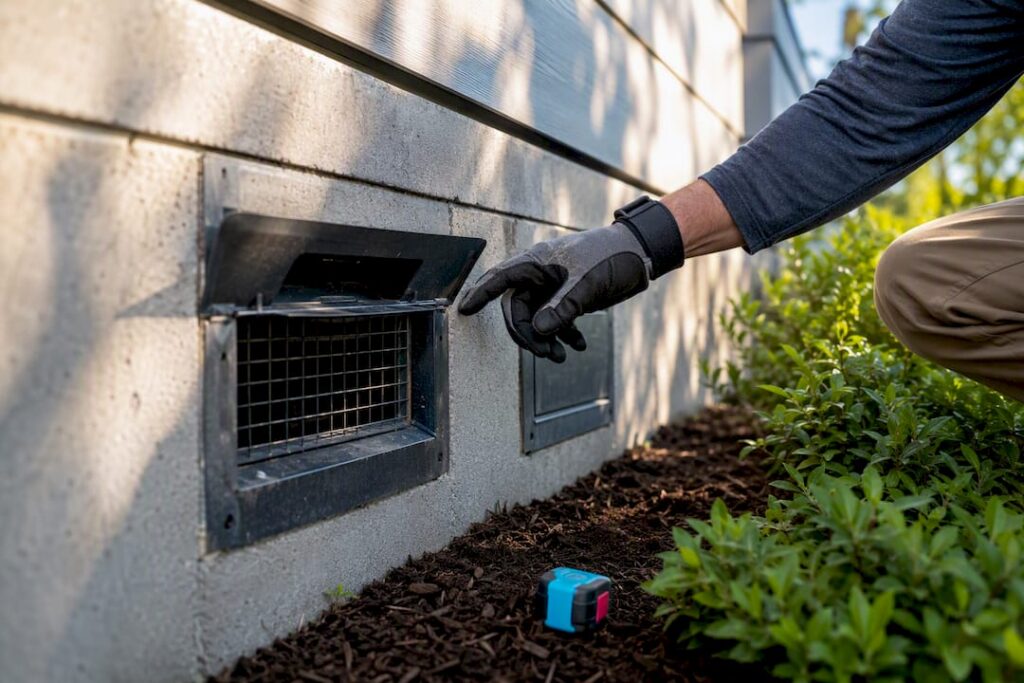
Building science and a climate based checklist help homeowners decide to seal or vent a crawl space. Learn when sealing cuts HVAC costs 15 to 20%.
Crawl Space Repair in Tallahassee: A Complete Guide to Structural Stability and Moisture Control

If your floors have started to bounce or a faint, musty odor lingers in your hallway, you might think it’s just the natural aging of a North Florida…
Crawl Space Odors: 4 Smells That Tell Homeowners Which Pro to Call
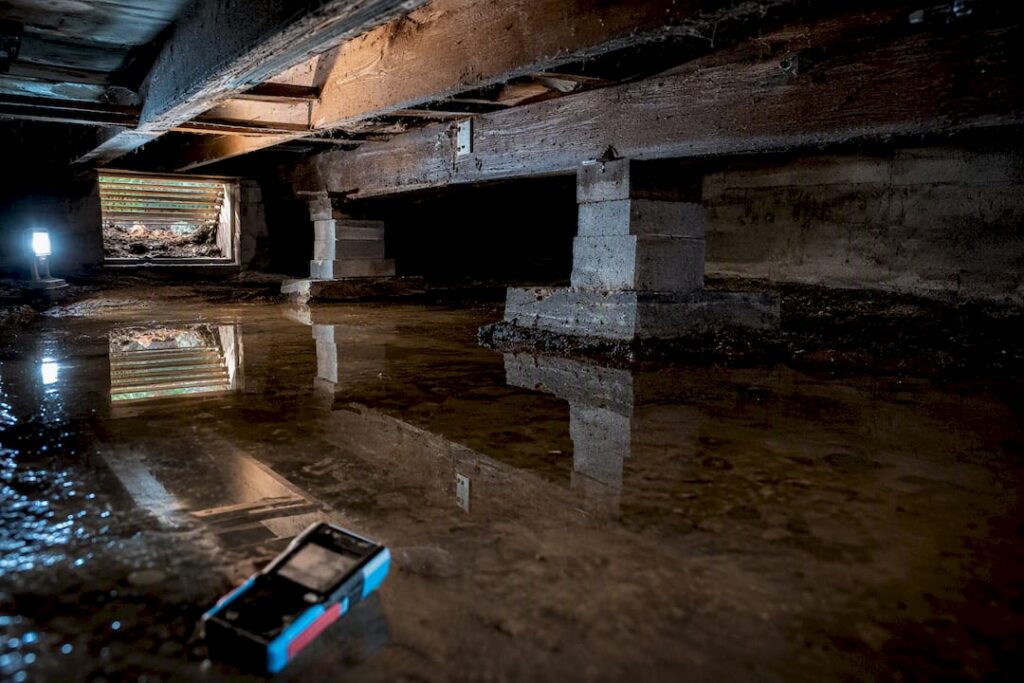
Identify the odor under your floors and call the right pro: plumber for rotten egg, pest control for ammonia, remediation for musty mold. Quick checks to…
Post-Foundation Piering: A Homeowner’s Recovery Guide

Imagine sitting in your living room a few days after your foundation was stabilized, only to hear a sharp “pop” echoing from the hallway. For many…
Homeowners: Chimney Gap Over 1/2 Inch? Get a Foundation Inspection
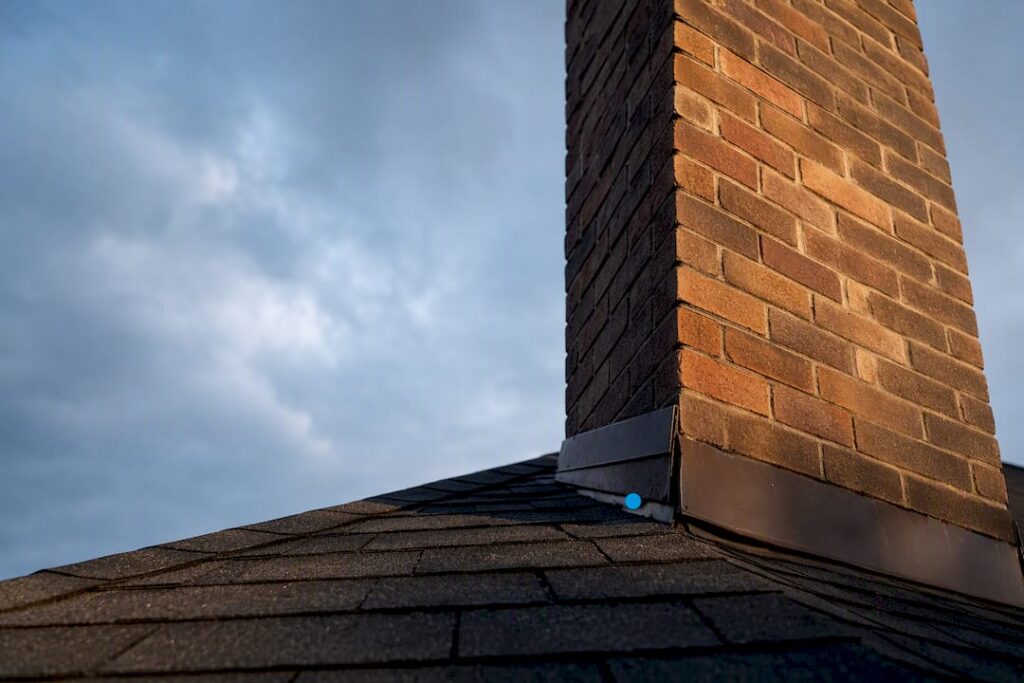
Homeowners: photograph and measure any chimney gap, stop using the fireplace, and get a foundation-first inspection to confirm whether piers, relining, or…
Push Pier Foundation Repair System: The Tallahassee Homeowner’s Guide
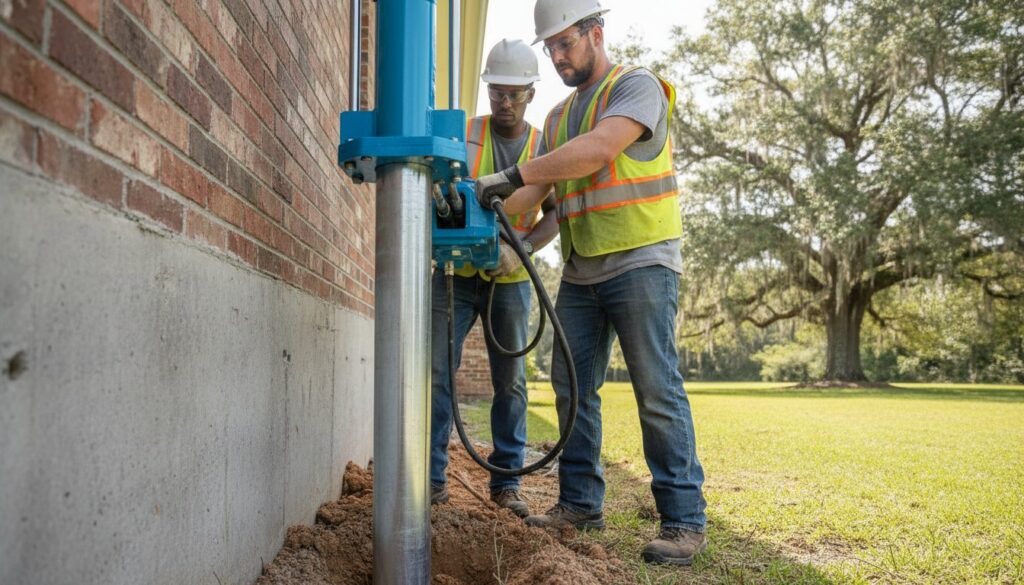
Your Tallahassee home is only as strong as the soil beneath it, and in Leon County, that soil is often working against you. With an average of 59…
Choose Crawl Space Insulation by Vented or Sealed Status for Homeowners
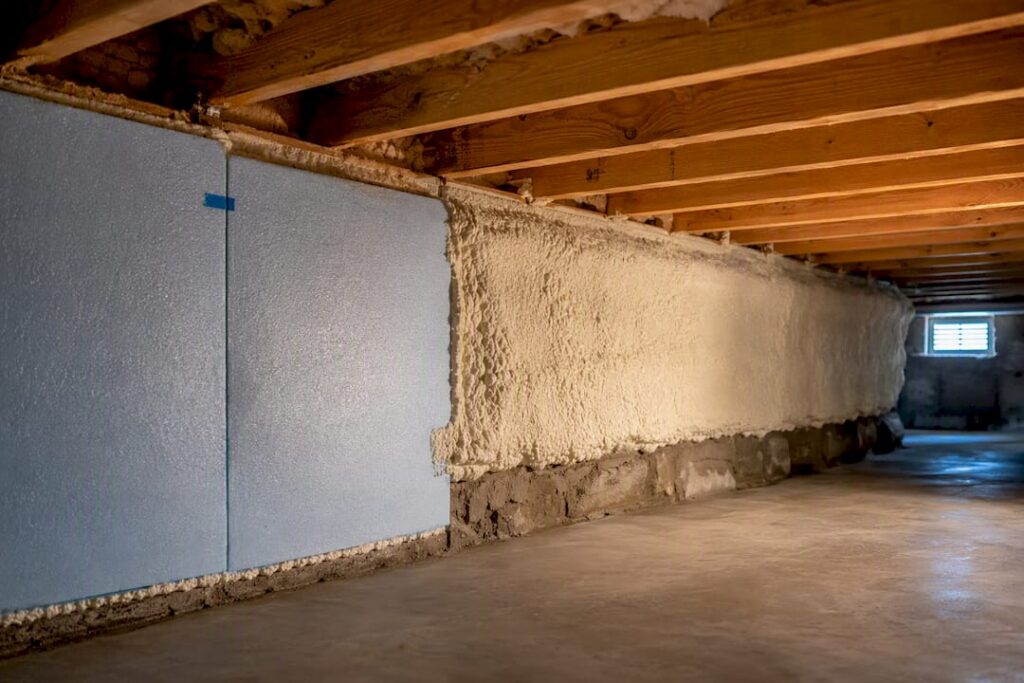
Moisture first advice for homeowners on choosing spray foam or rigid foam for vented versus sealed crawl spaces, with expected costs, DIY versus pro…
Crawl Space Encapsulation vs. Vapor Barrier in Tallahassee: 2026 Guide
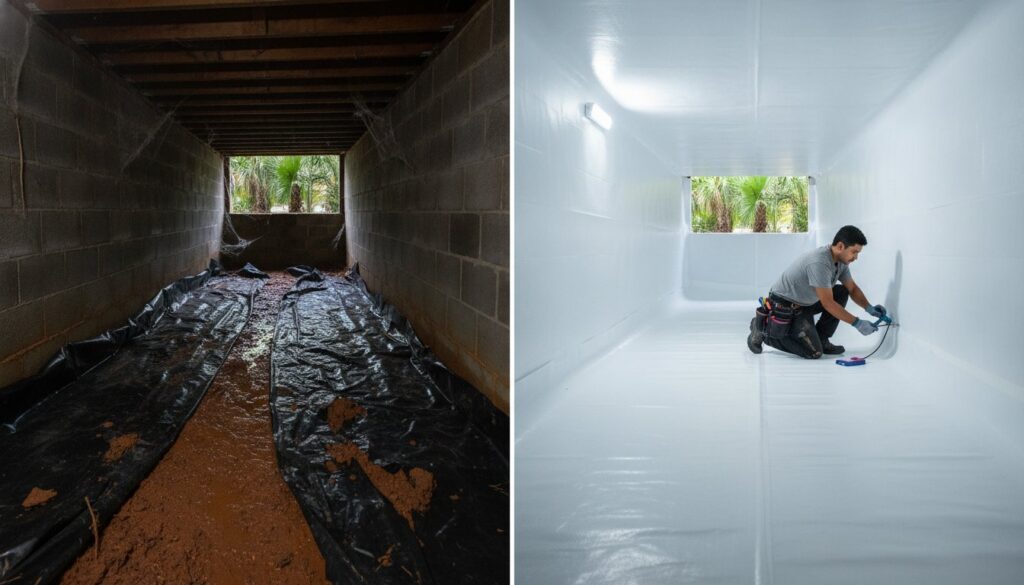
In Tallahassee, the ground beneath your home isn’t just soil; it’s a constant reservoir of moisture that works against your foundation every single…
Homeowners: Grade Your Yard First, Fix Drainage With Code Backed Steps
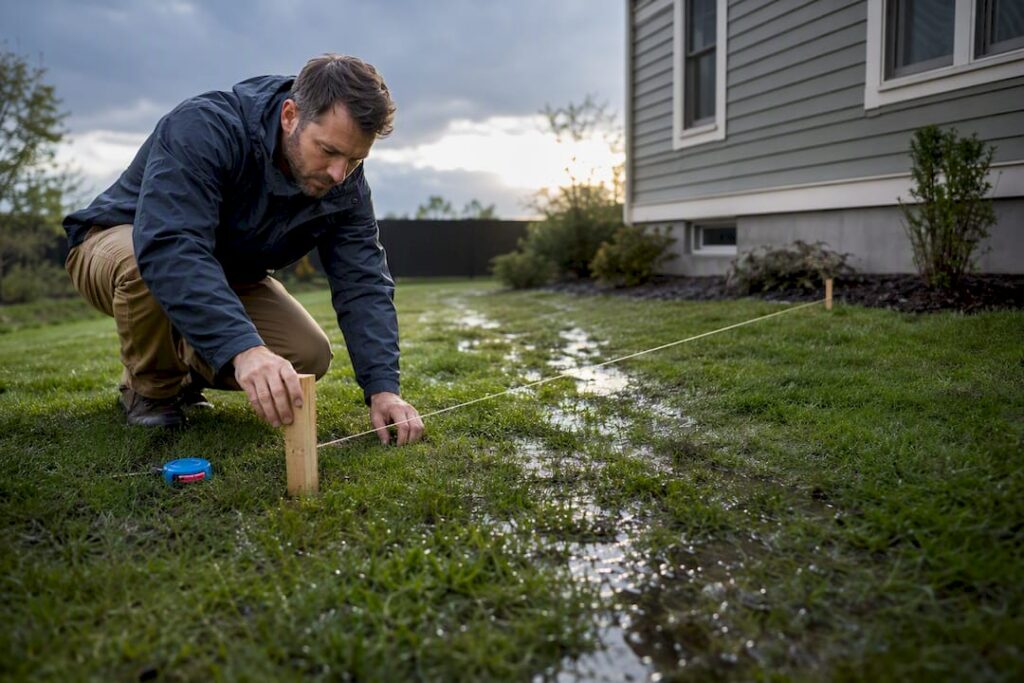
Follow a code-backed, homeowner-friendly regrading workflow: aim for about a 6 inch drop over 10 feet, grade first, then add drainage or call a pro if needed.